● Silver Smashes 100, Gold Nears 5000, Commodities Go Berserk, AI Stocks Face Valuation Squeeze
Silver Breaks Above $100; Gold Near $5,000: The Structural Drivers Behind the Broad Commodity Surge (and the Next Variable for AI Equities)
This report addresses:Why a move above $100 in silver (a symbolic threshold) is a structural signal rather than a one-off event.
What gold approaching $5,000 implies for inflation expectations, the U.S. dollar, and interest rates.
Why the commodity rally is not immediately destabilizing the Nasdaq, and how it can later re-emerge as valuation pressure.
Why NVIDIA rose while Intel sold off sharply despite both being semiconductor names (the key differentiator).
A single critical takeaway that is often omitted in mainstream news and video commentary.
1) Market Update (News Summary)
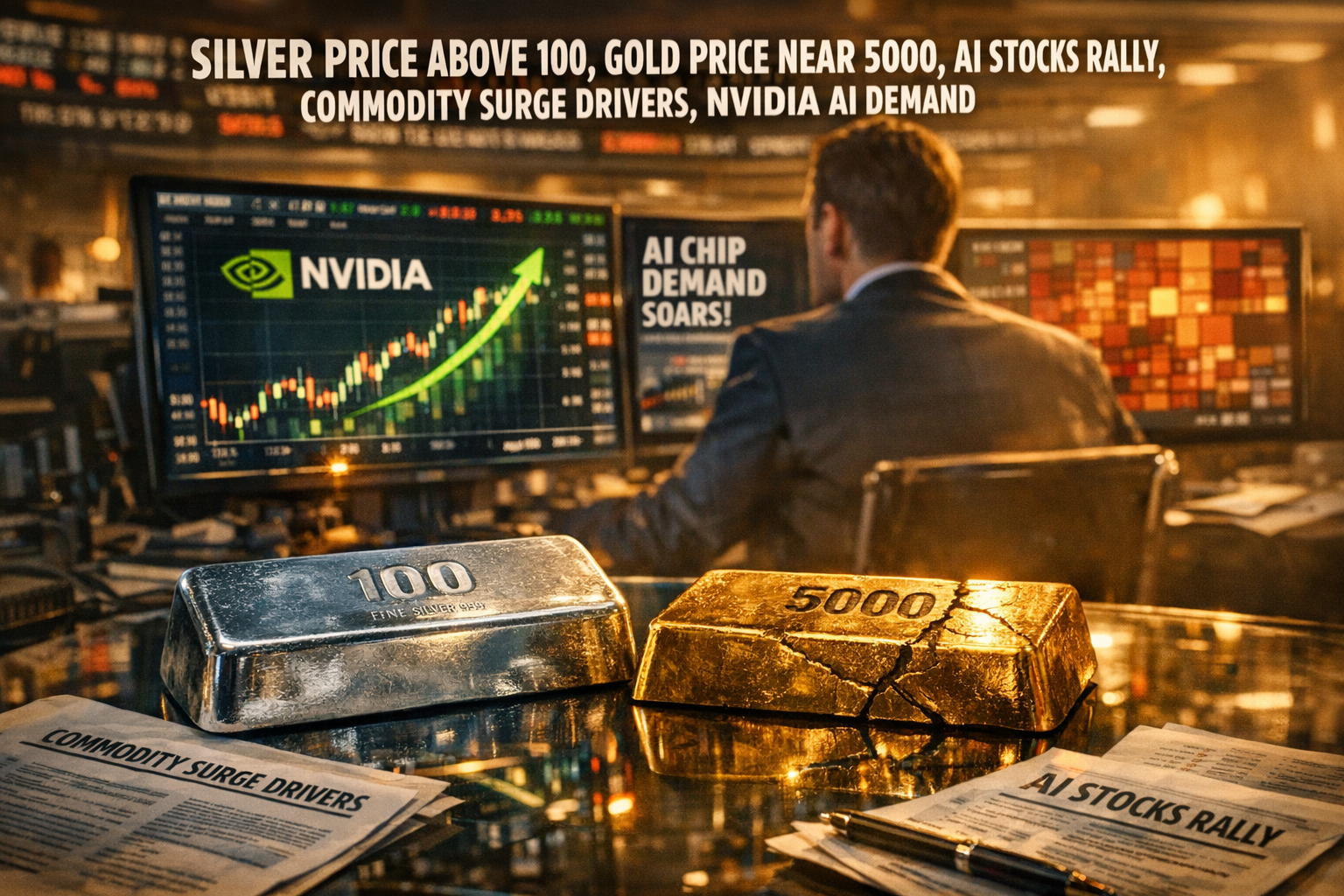
Silver briefly moved above $100 intraday, effectively opening the “$100 silver” regime.
Gold also approached $5,000, extending gains near record-high territory.
The move is notable because it occurred without an escalation to extreme geopolitical stress.
European tariff-related issues have been trending toward de-escalation, and Iran-related risk has not been assessed as an “imminent invasion” scenario.
Despite this, the rally has been broad-based across commodities, including gold and silver as well as copper, platinum, crude oil, and natural gas.
2) What the Market Is Signaling: Not Simply “Inflation,” but a Repricing of the Cost Structure
In traditional macro frameworks, a commodity surge often transmits as higher inflation expectations, tighter financial conditions, and valuation compression via higher discount rates.
If inflation risk re-accelerates, growth equities (particularly technology) can reprice lower due to higher required returns.
At present, markets appear to be subordinating this risk under a dominant AI growth narrative.
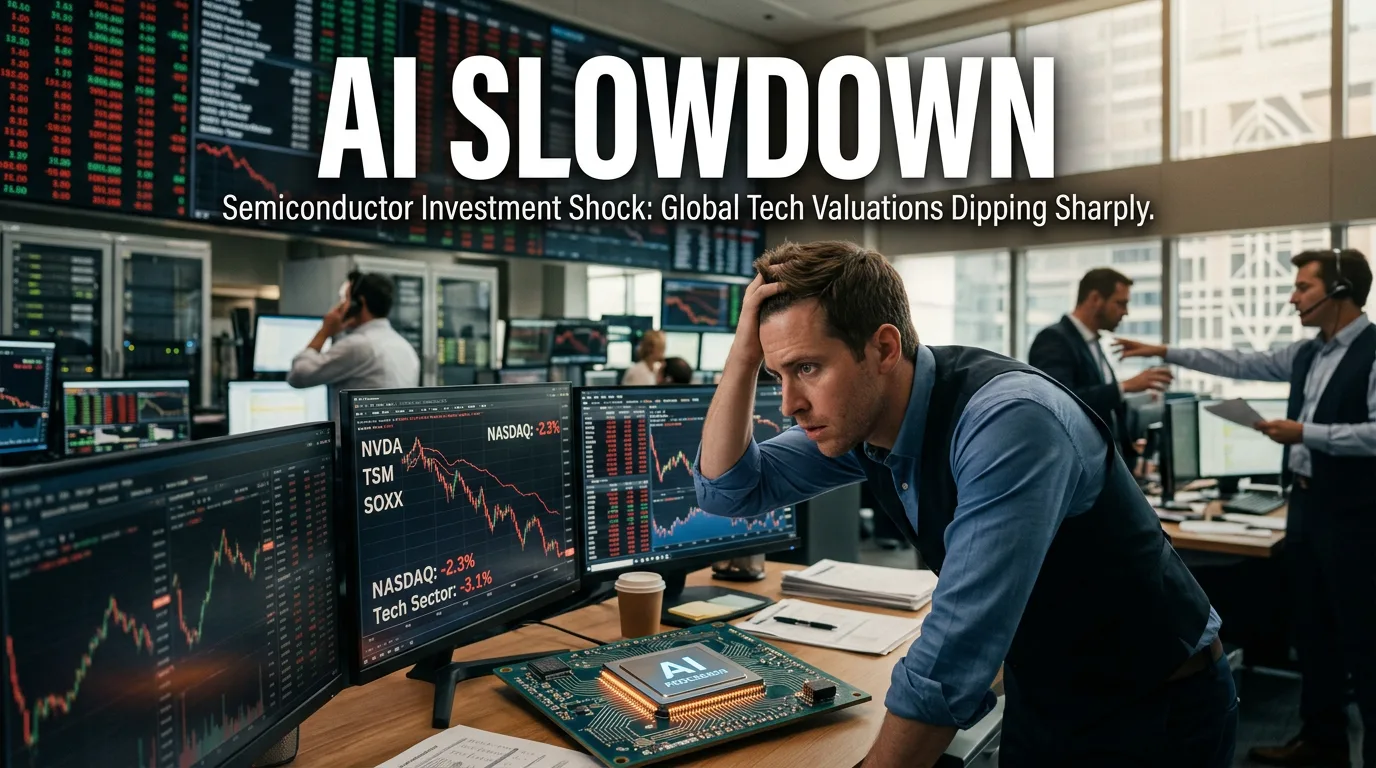
AI- and semiconductor-linked equities (including NVIDIA, Micron, and AMD) have remained strong, supported by broader large-cap technology performance.
Key point: commodity strength may not destabilize the Nasdaq immediately, but it can be reintroduced later as a justification for valuation pressure.
This is most likely when rates, inflation data, the U.S. dollar, or Treasury yields become more sensitive catalysts (e.g., CPI, employment data, Federal Reserve communication, or an abrupt rise in long-end yields).
In such phases, inflation, rates, FX, U.S. equities, and ETFs often move more tightly together, increasing cross-asset linkage.
3) The “AI Overrides Everything” Risk: A Filtering Market Has Already Started
The most instructive example is Intel.
Operational improvement alone has not been sufficient; the market is not broadly rewarding “good companies” absent clear earnings visibility and positioning in the dominant cycle.
This is effectively a “filtering market.”
Names with clear AI linkage and high earnings visibility receive a premium.
Names with uncertain growth visibility or less defensible valuation profiles face rapid repricing.
Within semiconductors, dispersion can widen between:“Core beneficiaries of the AI cycle (with visible demand)” and
“Businesses in transition with less certain near-term fundamentals.”
This matters because a commodity surge can pressure equities through two channels: margin compression (input costs) and higher discount rates.
Consequently, risk can accumulate quietly during strong tape conditions.
4) Why Multiple Commodities Are Rising Simultaneously (Why the Move Looks Structural)
Interpreting the move as pure safe-haven demand (gold) is insufficient.
Concurrent strength in gold, silver, copper, platinum, and energy suggests overlapping drivers across demand, supply constraints, monetary expectations, and industrial activity.
- Industrial demand (especially power and data centers) Expansion in AI infrastructure translates into power grids, transformers, cabling, and data-center buildouts, supporting expectations for higher demand in copper, silver, and energy. If AI-driven demand becomes embedded, it shifts from a short-term catalyst to a medium-term trend.
- Supply constraints and inventory dynamics Energy and metals supply is slow to respond due to long development lead times, and tight inventories increase price sensitivity. Under these conditions, modest demand changes can drive outsized price moves.
- Monetary expectations and real-rate dynamics Strength in gold is often consistent with markets pricing lower real rates and/or elevated uncertainty around currency value. Silver typically exhibits higher volatility than gold, reflecting a mix of risk appetite and industrial demand expectations.
5) Next-Quarter Monitoring Checklist (Investor Focus)
- Speed of pass-through into corporate earnings Dispersion is likely between firms that can pass higher costs through pricing and those that cannot. Even within “AI beneficiaries,” margin resilience may diverge.
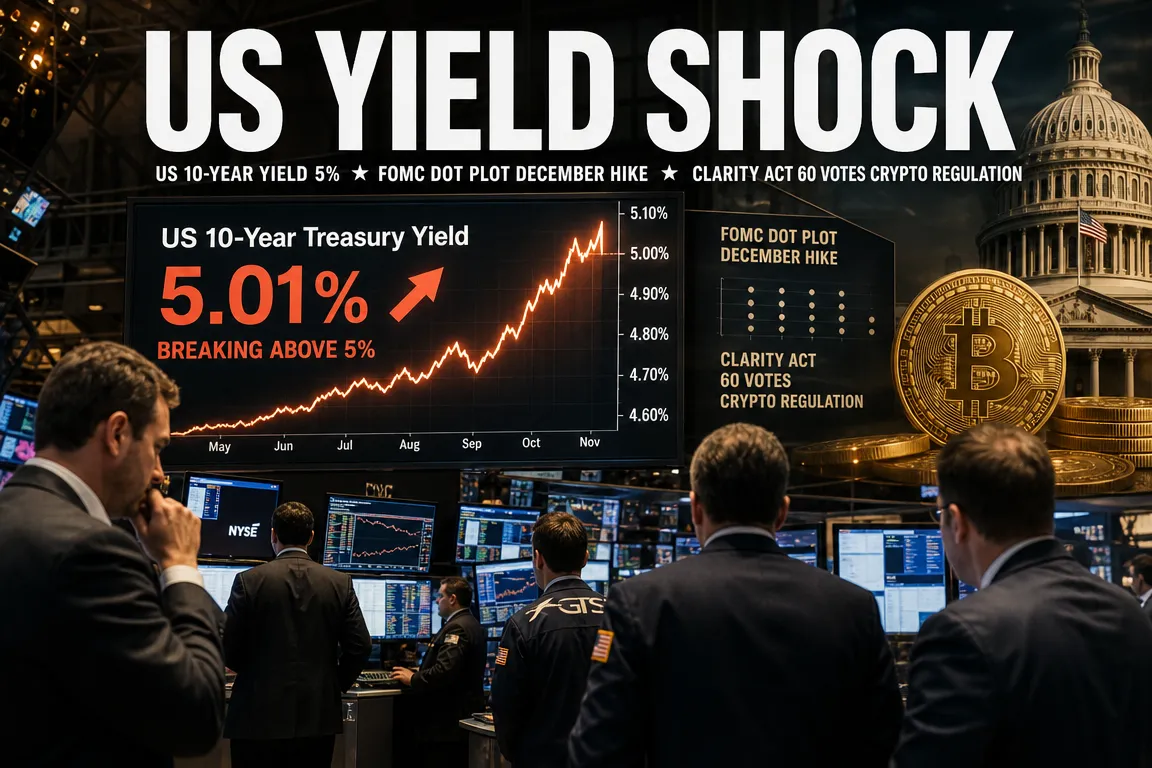
- Directionality of U.S. Treasury yields If commodity strength lifts inflation expectations, yields may rise and compress growth-equity multiples.
- Shifts in Federal Reserve stance The more positioning leans into AI optimism, the greater the probability that incremental Fed messaging becomes a trigger for valuation adjustment.
- Durability of AI infrastructure capex Strength in GPUs, memory, and networking is supported by sustained capex; any deceleration can lead to rapid multiple re-rating.
6) The Most Important Point Often Missed
More important than “silver at $100” or “gold at $5,000” is that the commodity surge has occurred without a material geopolitical risk premium.
This increases the probability that markets are pricing structural shifts (industrial demand, monetary expectations, and supply constraints) rather than transient fear.
In equities, the transmission mechanism typically follows a sequence:
initially, AI performance absorbs macro headwinds and supports the tape;
subsequently, commodities, rates, and inflation re-enter as valuation constraints, widening dispersion across names.
Intel’s drawdown is consistent with early-stage dispersion rather than a broad sector reset.
< Summary >
Silver briefly moved above $100 intraday and gold approached $5,000, reinforcing a broad commodity upswing.
The move is notable for occurring without a peak in geopolitical stress, increasing the likelihood of structural drivers.
Equity markets are currently absorbing inflation and rate risks under the AI theme, but commodity strength can re-emerge as valuation pressure.
A filtering market is underway, and dispersion may widen between clear AI beneficiaries and less visible or less defensible growth profiles.
[Related Articles…]
Re-acceleration Inflation Scenarios: Three Portfolio Warnings from a Commodity Upswing
*Source: [ Maeil Business Newspaper ]
– [속보] 거침없이 오르는 은 가격. 이제는 100달러도 돌파했다 I 홍장원의 불앤베어