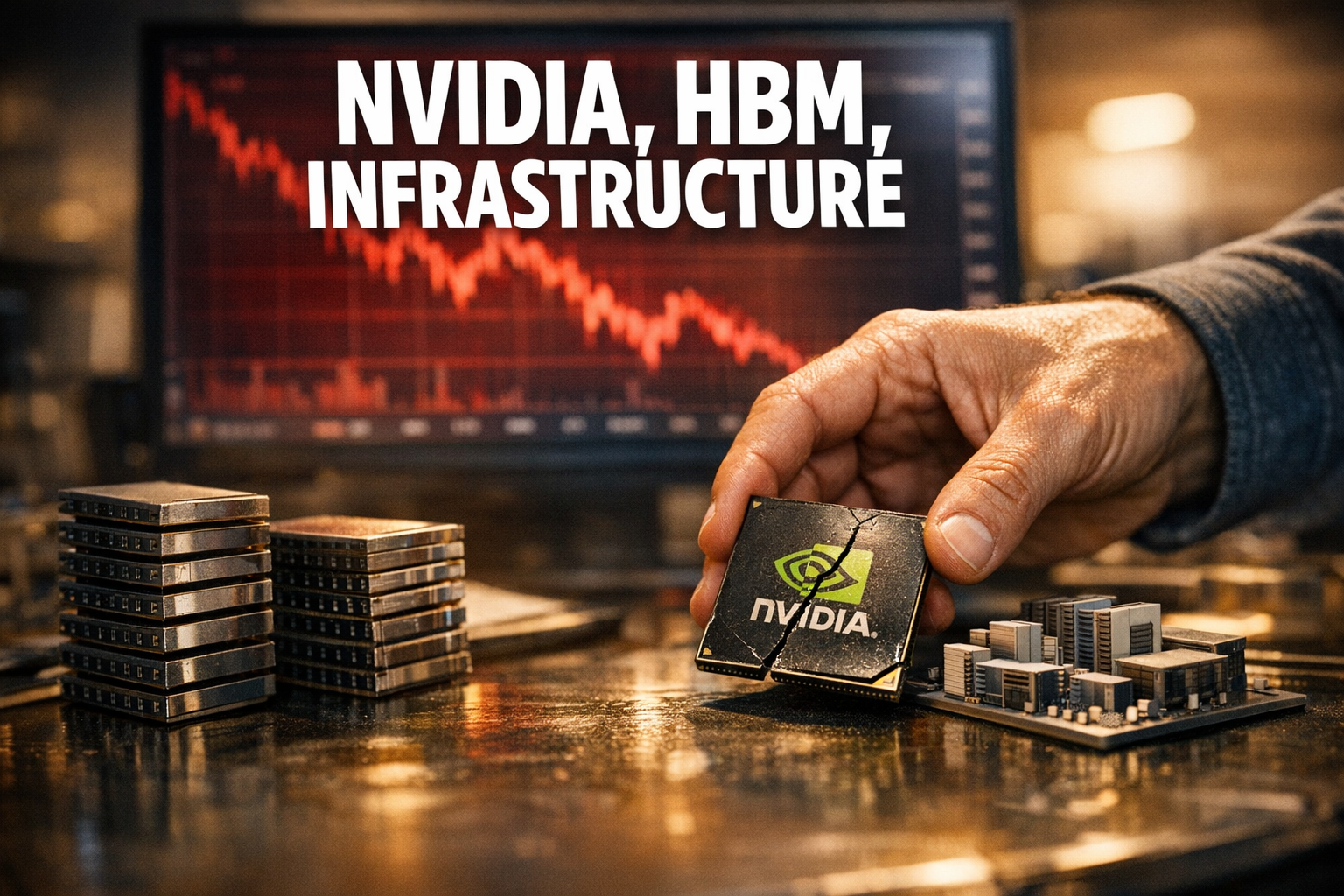
● Nvidia Plunges, Market Raises the Bar
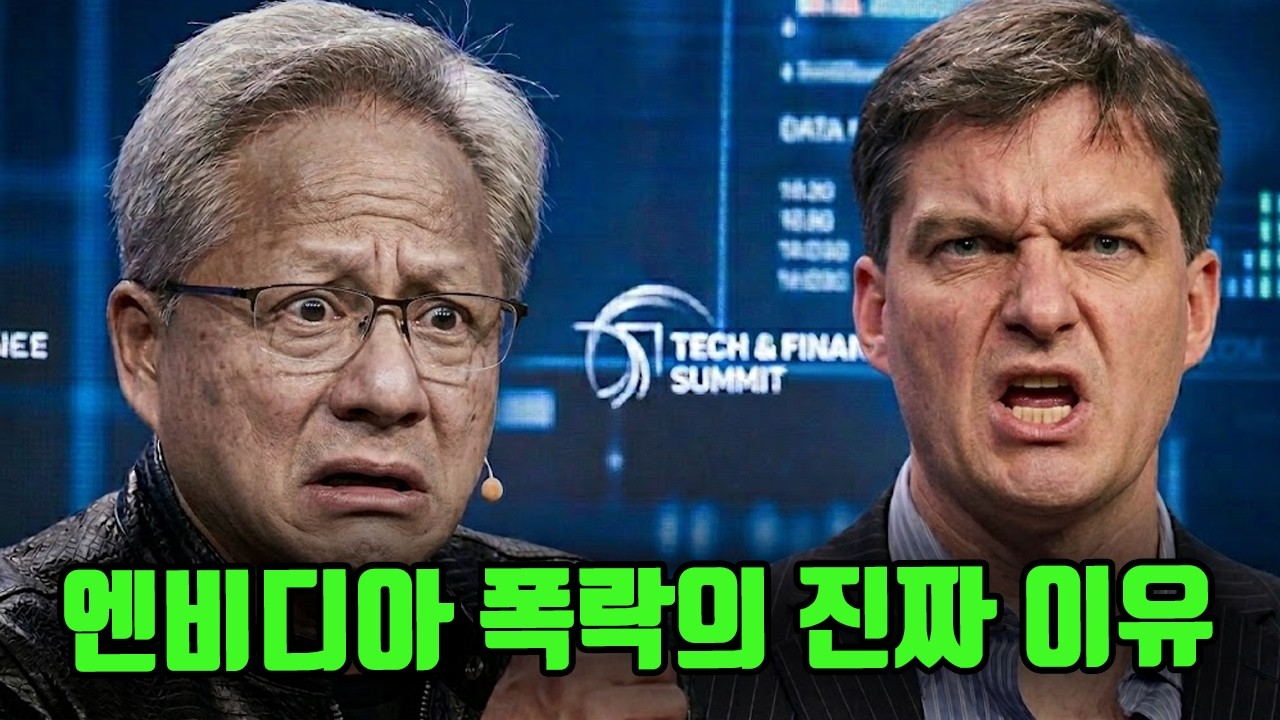
NVIDIA Sell-Off: Not “Bad Earnings,” but a Shift in the Market’s Required Difficulty Level
This report covers:1) Why NVIDIA shares declined on the NASDAQ despite solid results
2) Whether Michael Burry’s focus on “purchase obligations / supply obligations” signals true risk, or warrants the opposite interpretation
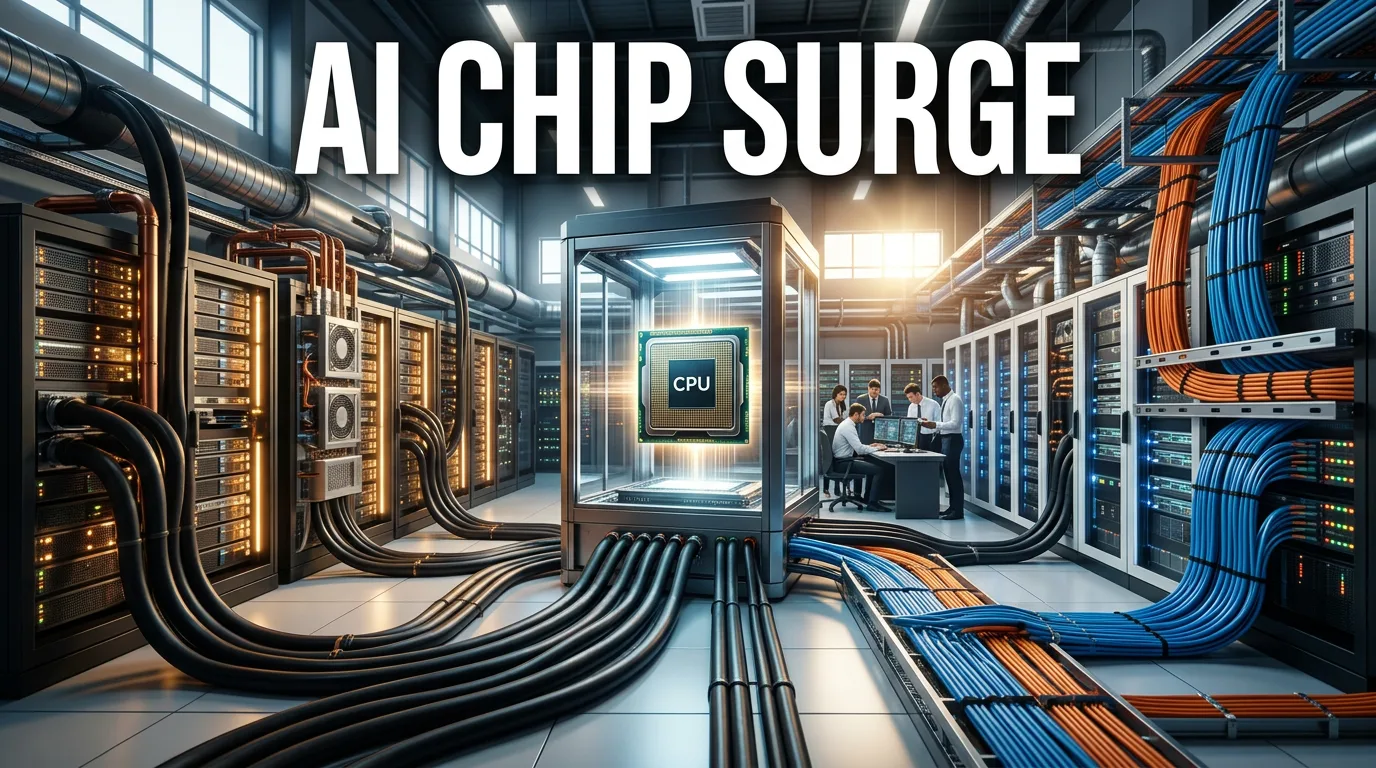
3) Why surging AI demand (tokens and agents) converges on “power” and “HBM” as the binding constraints
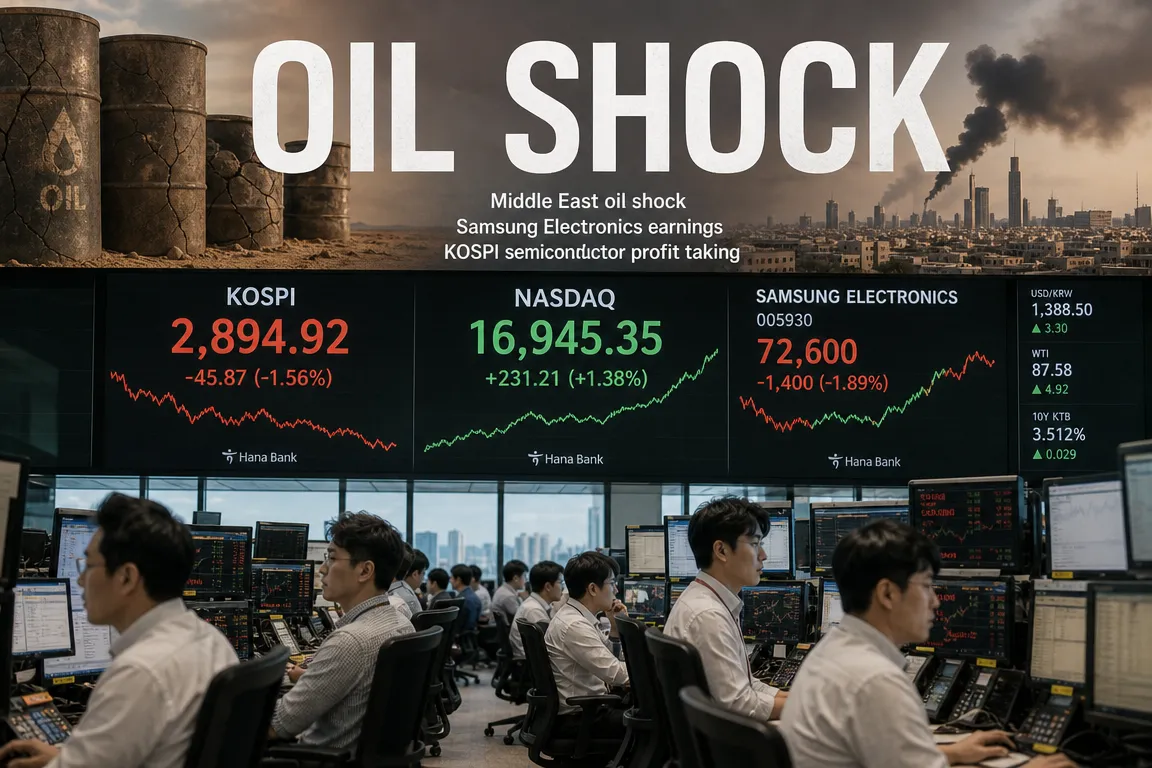
4) Why strength in Korean semiconductors (Samsung Electronics, SK hynix) is not merely thematic
5) A separate summary of the key point that is often underdiscussed (the direction of the supply-chain power shift)
1) Market in one line: Not NVIDIA, but the “tech premium” was repriced
Index behavior provides the signal:
- The Dow held up relatively better, while the S&P 500 and NASDAQ declined.
- This is consistent with valuation pressure first appearing in high-multiple growth and technology equities rather than cyclicals or traditional large caps.
NVIDIA’s results were solid, yet the stock fell:
- The market was positioned for another outsized upside surprise; the reported beat did not clear that elevated bar.
- The move is better characterized as an expectations shock rather than an earnings shock.
Interpretation should incorporate macro linkages such as:
- rate-cut expectations, inflation, global supply chains, semiconductor investment, and USD strength.
2) Three drivers behind NASDAQ weakness (news-style)
[1] “Disappointment” framing of NVIDIA results -> semiconductors sold off
- The figures were sound, but the market’s implicit requirement was an exceptional beat.
- When beats are less extreme, the reaction can shift to “catalyst exhaustion.”
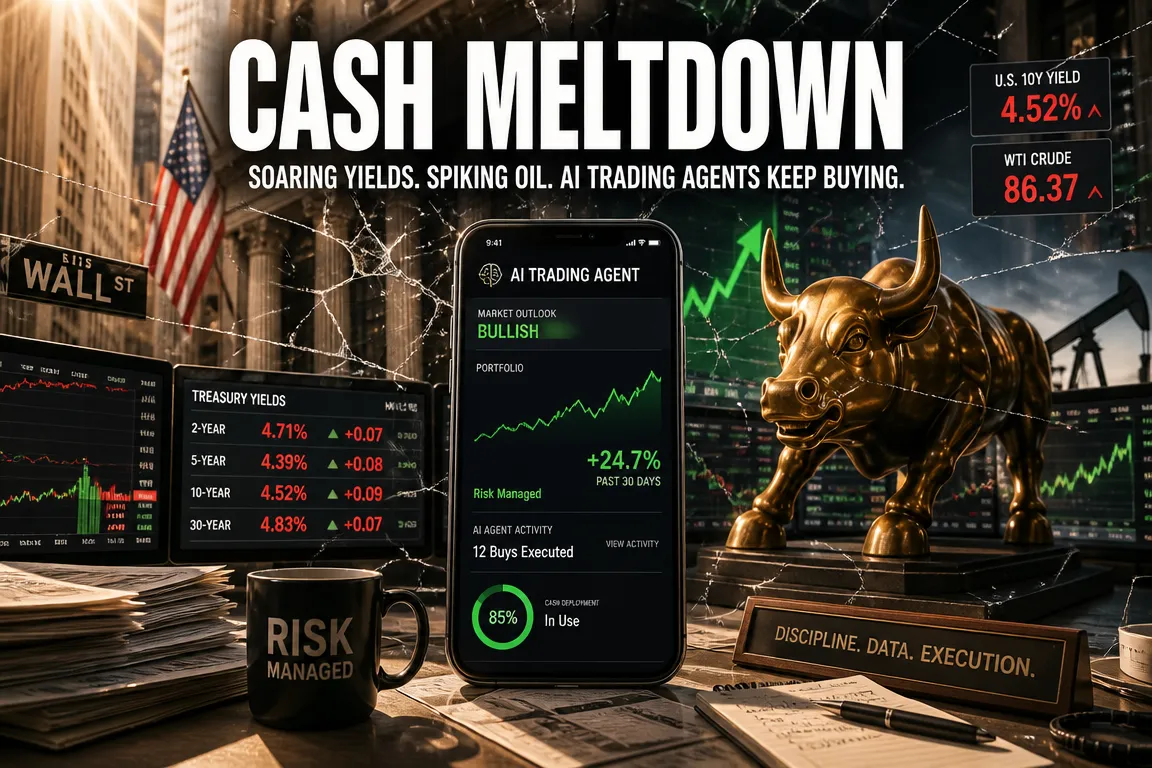
[2] Geopolitical risk (U.S.–Iran) -> risk-off positioning
- In risk-off sessions, growth and technology typically underperform.
- Defensive flows into bonds and oil volatility often coincide.
[3] Tariffs / policy uncertainty noise
- Legal or administrative uncertainty around tariffs increases non-modelable risk.
- Higher-valuation technology equities tend to be more sensitive to such uncertainty.
3) NVIDIA results: key items only
- Revenue: above consensus
- Adjusted EPS: above consensus
- Data center revenue: above expectations
- Forward guidance (next-quarter revenue outlook): above market expectations
Despite this, the core takeaway is:
- The market has shifted from rewarding “good results” to demanding “exceptional, sentiment-resetting results.”
4) Michael Burry’s warning: what rising purchase / supply obligations may imply
The focus is balance-sheet and footnote “commitments.”
[Purchase obligations (interpreted as foundry capacity, primarily TSMC)]
- When foundry capacity is scarce, customers secure supply via non-cancelable orders.
- If demand softens, these obligations can become a financial and operational burden.
[Supply obligations (interpreted as long-term memory supply contracts such as HBM)]
- If HBM is the bottleneck, GPU output is constrained regardless of GPU demand.
- This incentivizes tighter long-term supply contracting; demand slowdown would raise downside risk.
However, a purely negative interpretation is incomplete:
- Rising obligations can also indicate a tight supply chain and strong end-demand.
- They can reflect supplier leverage and contracted visibility in a constrained environment.
5) Underappreciated linkage: the primary risk is customers’ free cash flow dynamics
The key transmission channel is not NVIDIA’s standalone earnings, but hyperscaler cash flow.
A common pattern across large technology buyers:
- Stable revenue trends, but
- surging CAPEX (data centers and accelerators) compressing free cash flow.
This drives market questions such as:
- the durability of elevated CAPEX, and
- whether incremental investment will require higher leverage.
Implication:
- Valuation sensitivity increases as AI infrastructure spending flows through profit, cash flow, and balance-sheet leverage.
6) Management messaging distilled: agents drive token growth -> power becomes the bottleneck -> performance-per-watt matters
[1] Agentic AI = repeated LLM invocation]
- Agents execute tasks via multiple calls, materially increasing token usage and compute demand.
[2] Multi-agent workflows amplify token consumption]
- Role-splitting across agents (testing, front-end, back-end, planning) increases invocation volume beyond intuitive estimates.
[3] The binding constraint is power -> competition shifts to performance per watt]
- Data center expansion is limited by power availability.
- Hardware that delivers higher throughput per watt commands a premium.
[4] Next potential inflection: physical AI]
- Robotics, autonomous systems, and industrial automation could expand compute demand from digital to physical domains.
7) Limited disclosure on memory (HBM) during the call may be the substantive signal
Repeated questions on memory (HBM) received limited clarity. Potential implication:
- Supply-chain leverage may be shifting from GPU vendors toward HBM suppliers.
While NVIDIA leads in GPUs:
- HBM supply is increasingly strategic, strengthening the bargaining position of suppliers such as SK hynix and Samsung Electronics.
- This aligns with more extensive long-term contracting and commitment structures.
8) Why Korean semiconductor strength is not merely a derivative “NVIDIA trade”
If HBM is the bottleneck:
- memory becomes essential infrastructure within the AI accelerator stack.
As long-term commitments expand:
- markets may assign greater pricing power and demand visibility to Korean memory suppliers.
9) Linking to the KOSPI: an “AI–semiconductor–capital flow” regime
Recent Korean equity strength has been pronounced. Historically:
- extended consolidations can be followed by multi-year trend phases.
Key caveat:
- prolonged U.S. mega-cap technology drawdowns would likely increase volatility in Korea as well.
Primary determinant:
- whether AI infrastructure CAPEX decelerates materially, or persists via expansion into power constraints, agentic workloads, and physical AI.
10) Most important points (separately summarized)
[Key 1] The sell-off reflects a reduced magnitude of upside surprise, not weak results]
- At mega-cap scale, continued re-rating often requires repeated, extreme upward revisions.
[Key 2] “Purchase/supply obligations” indicate supply-chain leverage outside NVIDIA]
- TSMC and HBM suppliers gaining leverage can influence margins, delivery schedules, and product mix.
[Key 3] The unit of AI demand is shifting from model quality to token production/consumption]
- Agent adoption structurally increases token volumes, potentially raising the floor for infrastructure demand.
[Key 4] Power constraints translate into an efficiency race and can support upgrade cycles]
- When power limits expansion, upgrading to more efficient chips becomes economically rational, potentially sustaining CAPEX in a different form.
11) Conclusion: likely near-term catalyst digestion, with clear monitoring points
The move appears consistent with post-earnings volatility driven by expectations reset and catalyst digestion. Key items to monitor:1) Whether hyperscaler CAPEX guidance and commentary show a tangible inflection
2) Whether HBM tightness intensifies (pricing, long-term contracts, lead times)
3) The extent to which power constraints limit data center build-out (grid investment, permitting, regulation)
< Summary >
NVIDIA’s decline reflects an expectations shock as the market demanded a larger upside surprise despite solid reported results. Rising purchase and supply obligations represent downside risk if demand slows, but also signal that critical supply-chain leverage increasingly sits outside NVIDIA, notably with foundry and HBM suppliers. Agentic AI structurally increases token usage, pushing the system toward power constraints and intensifying competition on performance per watt; this may make AI infrastructure spending more resilient than typical cycles. As HBM becomes a key bottleneck, pricing power and visibility for major memory suppliers such as Samsung Electronics and SK hynix are strengthening.
[Related links…]
- https://NextGenInsight.net?s=NVIDIA
- https://NextGenInsight.net?s=HBM
*Source: [ 내일은 투자왕 – 김단테 ]
– 엔비디아가 폭락한 진짜 이유 (ft. 마이클 버리)