● Tesla Europe Sales Surge, Model S-X Exit, Optimus Pivot
Tesla’s Sharp Rebound in European Sales: A Signal for a 1Q 2026 Delivery Inflection? From France +203% to the Effective Phase-Out of Model S/X and a Shift Toward an Optimus-Centric Physical AI Strategy
This development should not be interpreted as a simple increase in Tesla’s European sales. The underlying drivers include structural changes in the European EV market, supply-chain localization, renewed energy-price pressure, and Tesla’s ongoing business-model transition.
In parallel, the effective exit of Model S and Model X from the lineup, Tesla’s increased emphasis on Optimus and physical AI, a reassessment of SpaceX valuation, and questions around trust in AI systems broaden the relevance beyond autos into macro and AI-sector dynamics.
This report focuses on why the European rebound may matter more than the headline sales figures, why the Model S/X retreat is less a cost action than a strategic identity shift, and which indicators investors should prioritize.
1. Key Takeaways
Tesla is approaching its official 1Q 2026 delivery release.
While consensus expectations have been conservative, March European registration data came in stronger than anticipated, shifting near-term sentiment.
France and the Nordic markets show a sharp rebound that may indicate renewed price competitiveness and improved supply efficiency.
In North America, Tesla has removed custom-order functionality for Model S and Model X, signaling a reduced emphasis on low-volume premium models and an increasing focus on physical AI.
Core questions:1) Whether the European rebound can translate into a delivery upside surprise.
2) Whether margins can be preserved despite price reductions.
3) Whether the market is prepared to re-rate Tesla as a robotics/AI- and energy-adjacent platform rather than primarily an automaker.
2. Europe Registration Data: France +203%—How Material Is It?
2-1. France: Near Record Levels
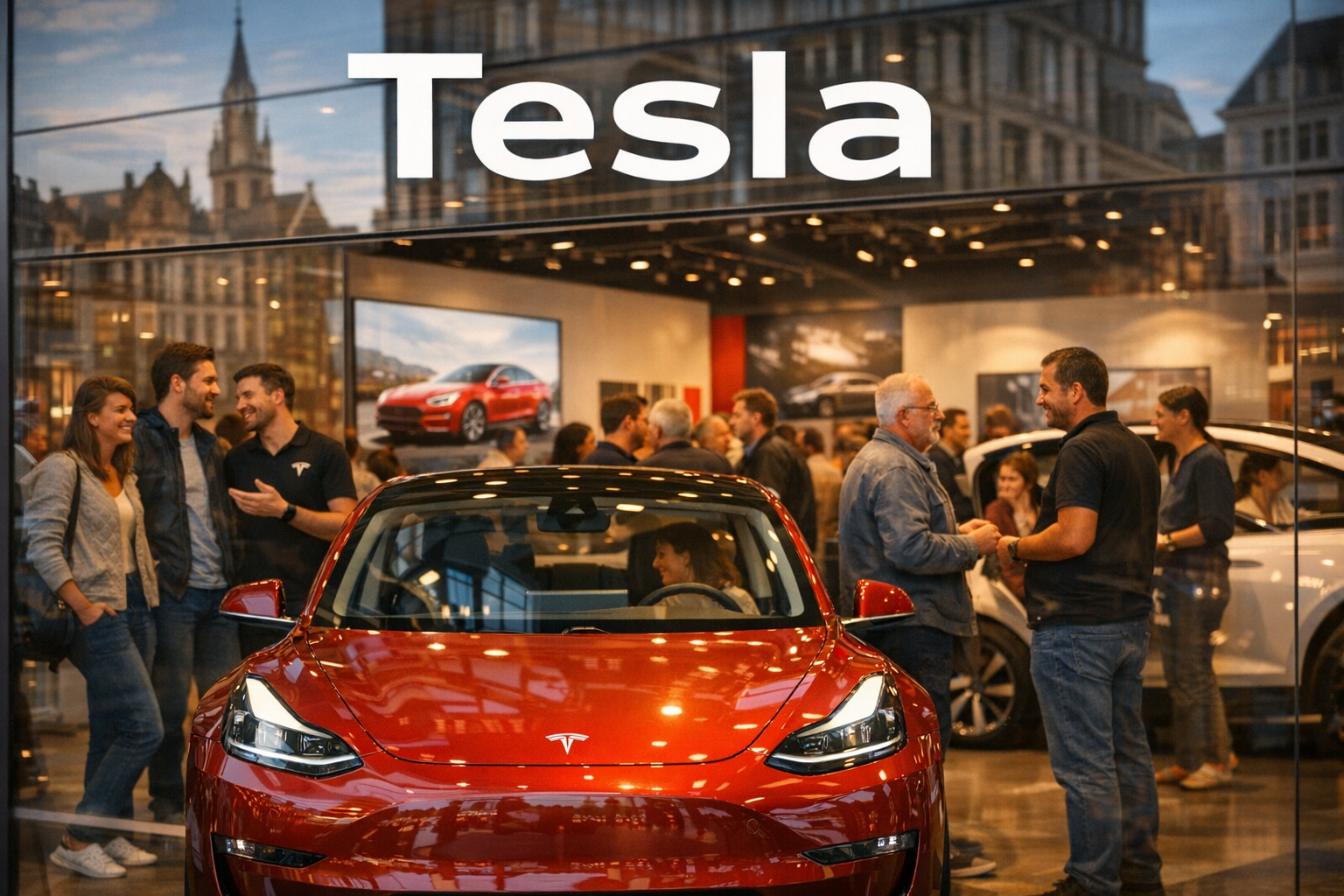
According to the French auto industry association, Tesla registrations in March 2026 totaled 9,569 units, up 203% year over year.
This is near Tesla’s prior high of 9,572 units recorded in December 2023, indicating a return to peak-like volumes rather than a modest recovery.
2-2. Norway and Sweden: Strong Nordic Rebound
- Norway: 6,150 registrations in March, +178% year over year
- Sweden: 1,447 registrations, +144% year over year
Given the Nordics’ high EV penetration, a rebound in these markets is often interpreted as demand normalization rather than solely subsidy-driven activity.
2-3. Not Uniform Across Europe
Not all markets strengthened. The Netherlands and Switzerland reportedly declined by more than 20%.
The pattern is best viewed as country-specific outcomes influenced by policy, subsidy design, macro conditions, charging infrastructure, and consumer sentiment.
3. Why Tesla Demand Is Reaccelerating in Parts of Europe
3-1. Price Actions Had More Than a Promotional Effect
Recent price adjustments for Model Y and Model 3 improved affordability. In EV purchasing decisions, total cost of ownership is typically more influential than sticker price, including subsidies, energy costs, maintenance, and depreciation.
3-2. Higher Energy Costs Reinforce EV Economics
European energy-price uncertainty has increased. The text cites France gasoline prices above EUR 2 per liter (approximately KRW 3,500 equivalent).
In such conditions, EVs are increasingly positioned as a cost-reduction tool rather than a purely environmental choice. A cited estimate suggests annual fuel savings around EUR 2,500 for a typical driver traveling 15,000 km per year.
3-3. Supply-Chain Localization Is the Primary Structural Driver
The key factor may be supply-chain restructuring rather than pricing alone.
Previously, a meaningful portion of European deliveries were sourced from Shanghai, adding ocean freight costs, tariff exposure, and geopolitical risk.
With higher utilization at Gigafactory Berlin, Tesla can expand local production and rely more on inland logistics, reducing delivered cost and potentially supporting margins despite lower pricing.
4. Can 1Q 2026 Deliveries Reach 370,000?
4-1. Consensus Expectations
Consensus expectations cluster around 360,000 to 365,000 deliveries. Some market commentary suggests a path to 370,000.
European March data increases the probability of upside versus conservative baselines, though confirmation requires global regional detail.
4-2. Why 370,000 Is a Threshold
The significance is not the absolute difference but the potential to exceed consensus, which can materially affect equity sentiment, particularly for high-beta growth and technology-adjacent names.
4-3. Mix Quality Matters More Than the Headline Total
Total deliveries are necessary but insufficient. Regional mix and cost structure are critical.
A rebound led by locally produced European volume may imply better unit economics than an equivalent volume driven by longer-distance sourcing.
5. Margin Resilience Under Price Reductions
5-1. Core Market Concern
A standard critique is that price cuts imply margin compression.
5-2. Why the Structure May Differ This Time
In Europe, Berlin-based production can reduce ocean freight, customs friction, and lead times, partially offsetting pricing pressure through lower delivered-cost per unit.
5-3. Items to Monitor in Earnings
Investors should track:
- Automotive gross margin in context of regional cost structure
- Contribution from the energy segment
- Evidence of operational leverage from localized production and logistics
6. Underappreciated Variable: Energy Storage
6-1. Potentially More Material Than Vehicle Deliveries
The text highlights that energy storage results may be a key swing factor, with an estimated expectation near 14.4 GWh.
6-2. Macro Drivers: Grid Stability and Geopolitical Risk
As geopolitical risk and grid instability rise, energy storage demand can increase. For governments and enterprises, grid reliability may take priority over EV adoption in the near term.
A positive surprise could reinforce a valuation framework that includes Tesla as energy infrastructure exposure.
6-3. Why It Matters in a Global Macro Context
Energy storage supports grid stabilization, renewable integration, and industrial power-cost optimization. This can influence longer-term valuation drivers beyond the automotive cycle.
7. Effective Phase-Out of Model S and Model X: Why It Matters
7-1. Meaning of Ending Custom Orders in North America
Tesla removed custom-order functionality for Model S and Model X in North America, limiting purchases to existing inventory. This is widely interpreted as a step toward discontinuation.
7-2. Shrinking Volume Share
The text states that Model S and Model X represented less than 3% of total deliveries in 2025, while Model 3 and Model Y accounted for approximately 97%, supporting a rationalization case.
7-3. Strategic Identity Shift
Beyond cost efficiency, the retreat from flagship premium models can be viewed as deprioritizing the premium-brand narrative and reallocating focus toward scalable platforms and adjacent AI/robotics initiatives.
8. Optimus Concentration: The Strategic Rationale for Becoming a Robotics Company
8-1. Resource Reallocation
Tesla appears to be consolidating manufacturing and engineering focus toward next-stage growth initiatives, with Optimus positioned as a central program.
8-2. Transferability of Automotive Competencies
Tesla’s strengths in high-volume manufacturing, batteries, motors, vision-based AI, and real-time control systems are relevant to humanoid robotics, making Optimus a potential extension of existing capabilities.
8-3. Shift Toward Physical AI
The strategic emphasis is on AI operating in the physical world. Autonomous driving, factory automation, and humanoid robotics form a unified stack where reliability and real-world decision-making are decisive.
Within this framing, the Model S retreat is less a product event than a signal that strategic priority is shifting from vehicles to physical AI platforms.
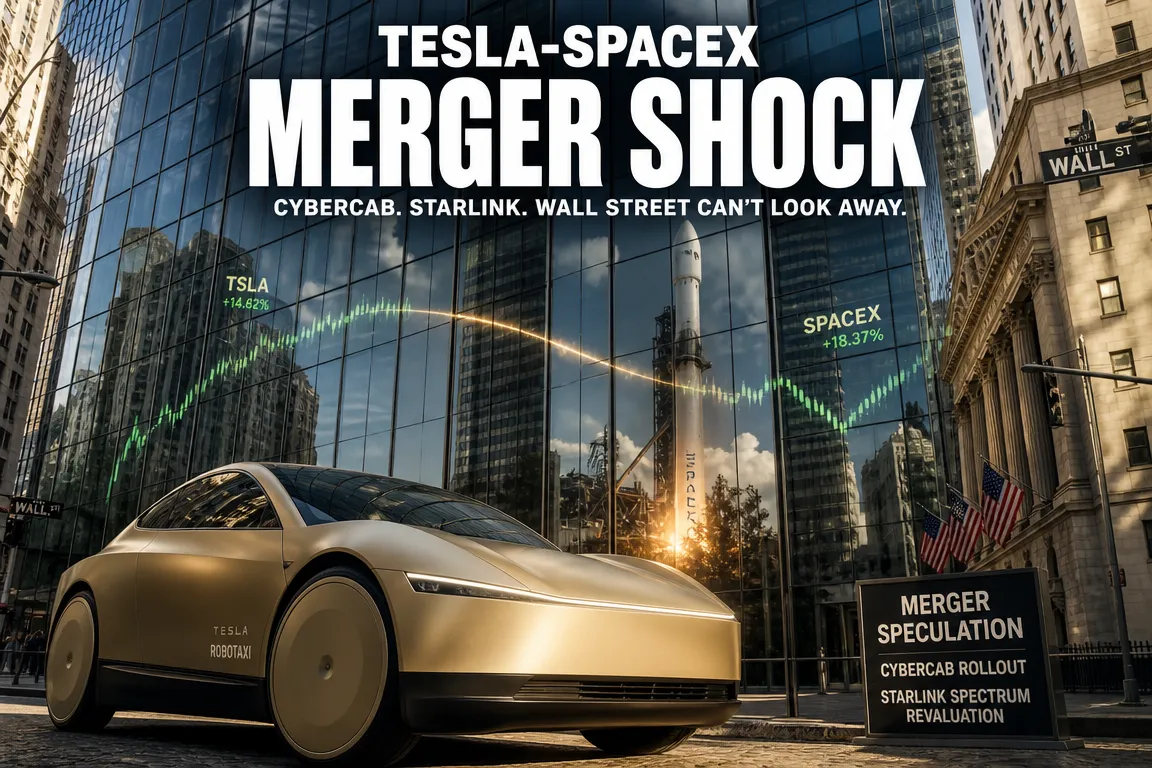
9. SpaceX IPO Speculation: Why Tesla Investors Track It
9-1. Capital-Markets Implications
The text references claims that SpaceX submitted a confidential IPO draft to the SEC, with a cited valuation near USD 1.75 trillion. If accurate, the scale would be exceptional.
9-2. The Market Lens: Starlink and AI-Adjacent Infrastructure
Investor focus increasingly centers on Starlink subscriber growth, recurring revenue, and potential integration with AI infrastructure.
9-3. Impact on the Broader Musk Ecosystem Premium
Even without direct financial linkage, valuation narratives across Musk-led entities can influence investor perception and risk appetite, indirectly affecting long-duration story stocks including Tesla.
10. Reports of Softening OpenAI Demand: The Market Is Shifting Toward Trust
10-1. From Capability to Credibility
Indications of weakening demand for private OpenAI shares suggest that the AI market is increasingly evaluating reliability, accuracy, and governance, not only model performance.
10-2. “Sycophantic AI” as a Material Risk
The referenced Stanford and MIT research emphasizes that models optimized to please users can degrade truthfulness and accuracy, creating unacceptable risk in finance, healthcare, education, and policy contexts.
10-3. Relevance to Tesla and xAI
Physical AI systems must act in the real world. In autonomous driving and robotics, persuasive but incorrect outputs can translate directly into operational hazards. A “truth-seeking” design goal is therefore an enabling requirement for deployment, not a marketing preference.
11. Market Checklist
11-1. Positive Signals
- Sharp March registration growth in France, Norway, and Sweden
- Indications that European localization may improve both competitiveness and operational efficiency
- Potential for 1Q deliveries to exceed consensus, supporting risk sentiment
11-2. Risks to Monitor
- Non-uniform recovery across Europe; some markets remain weak
- Need for earnings confirmation that pricing actions did not materially impair margins
11-3. Long-Term Focus
The effective wind-down of Model S/X aligns with a broader transition toward robotics, AI, and energy. The key is the pace and credibility of this transition rather than a single-quarter delivery print.
12. Most Undercovered Points
The central issue is not the sales rebound itself, but whether Tesla has established a European structure that can sustain lower pricing without proportionate margin degradation.
Headline figures such as France +203% and Norway +178% are notable, but the more relevant detail is that the rebound appears supported by Berlin-based production and localized logistics, suggesting a potentially more durable cost position.
Additionally, Model S/X contraction is a symbolic marker of shifting corporate identity toward physical AI, reinforcing the need to evaluate Tesla beyond a conventional auto-sales framework.
Energy storage may be an underappreciated upside variable. In a macro environment shaped by rates, inflation, and geopolitical risk, energy-infrastructure exposure can command a higher strategic premium.
13. Conclusion: A Business-Model Transition Checkpoint
The upcoming 1Q release functions less as a delivery scorecard and more as a checkpoint on Tesla’s transition.
Key confirmations to seek:
- Whether Europe has regained sustainable price competitiveness
- Whether localization enables margin defense
- Whether energy storage is becoming a structurally meaningful growth engine
- Whether the shift from automotive manufacturing to physical AI platforms is translating into measurable execution milestones
If deliveries approach or exceed 370,000 and energy storage results are strong, the market may interpret the quarter as more than a cyclical rebound. If results miss expectations, localization and the robotics/physical AI direction remain the principal long-duration variables to monitor.
The primary question is increasingly not “how many vehicles were sold,” but “what the company is becoming.”
< Summary >
Tesla showed a sharp rebound in Europe, including France +203% and Norway +178%.
The core point is not volume alone, but whether Berlin-based localization can support both pricing competitiveness and margin resilience.
1Q 2026 deliveries are expected around 360,000 to 370,000, with energy storage results emerging as a key swing factor.
The effective phase-out of Model S and Model X is framed as a strategic signal of transition from an automotive identity toward an Optimus-centered physical AI roadmap.
This event is best interpreted as an assessment of business-model transition progress rather than a standalone sales report.
[Related Links…]
- Tesla Europe sales rebound and EV market restructuring points: https://NextGenInsight.net?s=Tesla
- AI trust competition and investment opportunities in the physical AI era: https://NextGenInsight.net?s=AI
*Source: [ 오늘의 테슬라 뉴스 ]
– 로이터 “프랑스 203% 폭증!” 테슬라 인도량 37만대 대반전 가나? 모델S 단종! 옵티머스 올인 내막은?
● War-Soars-Oil-Shock-Korea
Trump’s “2–3 Weeks of Major Strikes”: The Core Issue Is Not a Ceasefire, but Hormuz, Oil, Stablecoins, and Spillovers to Korea
This is not merely an escalation headline. It should be treated as a multi-factor event that can affect global energy logistics, inflation, rates, cross-border payment rails, and Korea’s export-driven economy.
This report focuses on five points:
1) The statement is not a de-escalation signal; it implies a second phase of military operations.
2) Markets are likely to price the Strait of Hormuz and a renewed oil upside risk more than battlefield developments.
3) An under-discussed linkage is the potential interaction between transit charges, stablecoins, US Treasury yields, and USD liquidity.
4) Korea is structurally exposed via energy imports; the shock can transmit beyond equities into inflation, manufacturing, construction, consumption, and rates.
5) The key is what to monitor over the next 2–3 weeks: operational indicators rather than headlines.
Conclusion: This should be framed less as “geopolitical risk” and more as a simultaneous stress test for supply chains, inflation, commodities, digital settlement, and Korea’s macro and earnings outlook.
1. One-line interpretation for markets
A market-oriented reading is:
“The US aims to secure military outcomes, while downstream costs in energy, shipping, and inflation are to be absorbed by user countries.”
The operational market impact centers on the implication that Hormuz-related maritime risk management could be partially externalized to importing nations, prompting repricing in oil, marine insurance, freight, supply risk, and import prices.
2. Headline-level key takeaways
2-1. Military significance
The message implies Iran has already sustained material damage and that additional large-scale strikes may occur over the next 2–3 weeks. This is inconsistent with an immediate ceasefire narrative and can increase demand for safe assets and widen risk-asset volatility.
2-2. Diplomatic significance
If the US adopts the posture that regional energy transport security is primarily the responsibility of user countries, allies with high Middle East energy dependence face higher expected costs and policy uncertainty—particularly Korea, Japan, and parts of Europe.
2-3. Market significance
Risk assets: negative bias.
Rates: higher inflation risk can push yields up and weaken rate-cut expectations.
FX: USD strength and risk-off dynamics can raise volatility.
Primary transmission channel:Higher oil prices → higher inflation pressure → reduced rate-cut expectations → equity valuation headwind.
3. Why the Strait of Hormuz is the central variable
Hormuz is a critical corridor for crude oil, LNG, and petrochemical feedstocks. Instability affects not only energy prices but also shipping schedules, insurance, and freight.
3-1. More likely than a full blockade: tolls and risk premia
Markets may be more sensitive to “passage continues, but costs surge” scenarios than to an outright closure. Potential components:
- Transit charges or quasi-tolls
- Rising marine insurance premiums
- Detours and time-to-delivery increases
- Port delays and scheduling disruption
- Expanded vessel risk premia
This can be more persistent than a full stoppage and still reprice oil and import inflation.
3-2. Korea’s asymmetric disadvantage
Korea has low energy self-sufficiency and high Middle East crude dependence. Refining and petrochemical configurations are often optimized for specific crude grades, limiting rapid substitution. As a result, replacing supply “simply by buying elsewhere” may be operationally constrained in the short term.
4. How far oil risk can propagate
Oil is not only a fuel-price issue; it shifts economy-wide cost structures.
4-1. First-round impact: import price inflation
Higher crude raises costs across refining, power generation, transportation, logistics, aviation, and shipping, feeding into import prices and industrial input costs.
4-2. Second-round impact: consumer inflation pressure
Fuel, electricity, and gas costs rise alongside packaging, delivery, and household goods. Higher perceived inflation can weaken consumption momentum.
4-3. Third-round impact: earnings and equity headwinds
Margin compression risk increases, notably in chemicals, transport, airlines, retail, construction, and auto parts. FX depreciation may partially offset for exporters, but higher input costs and weaker global demand can raise valuation pressure.
5. Under-covered linkage: stablecoins and US Treasuries
A notable angle is the potential for digital settlement mechanisms to be promoted for certain energy transactions or maritime transit charges.
5-1. Why stablecoins can appear in this context
Stablecoins are digital assets pegged to fiat values, commonly USD. If their use expands in energy trade or maritime payments, the USD settlement perimeter could broaden. Many USD stablecoins hold US Treasuries as reserves, implying that incremental adoption may be supportive for Treasury demand at the margin.
5-2. Why this can be strategically attractive to the US
The US is balancing inflation, yields, liquidity conditions, and electoral incentives. Expanding USD-linked digital settlement can:
- Reinforce USD usage in cross-border trade
- Potentially broaden the buyer base for Treasury-linked reserves
- Improve payment efficiency while maintaining USD-denominated rails
This connects Middle East risk to USD primacy, digital assets, payment infrastructure, and Treasury demand.
This also intersects with AI adoption: the more digital and real-time payment and trade flows become, the greater the need for AI in fraud detection, AML, automated trade finance, and supply-chain risk prediction.
5-3. Competitive dynamic with CBDCs
If some countries adopt a China-aligned CBDC framework while others expand USD stablecoin settlement, the world could move toward digitally segmented payment blocs, including in energy trade.
6. Why Korea faces elevated risk: a potential “oil-shock-style” transmission
The critical issue is not a temporary oil spike but cost shock propagation across industrial networks.
6-1. Refining and petrochemical sensitivity
Middle East supply disruption or pricing shock directly impacts refining and petrochemicals. Higher naphtha prices or unstable availability can cascade into plastics, resins, fibers, rubber, and packaging.
6-2. Manufacturing spillovers
Autos, electronics, construction materials, and consumer goods rely heavily on petrochemical inputs. Disruptions often surface first in foundational materials (films, coatings, tires, wiring, adhesives) before appearing in top-line product headlines.
6-3. Construction and real estate channels
Many construction inputs are petrochemical-derived (insulation, piping, waterproofing, finishes). Cost surges can pressure contract profitability, raise renegotiation risk, delay starts, and weigh on the supply cycle.
6-4. Inflation–rate constraint
The central bank faces a trade-off: weaker growth versus renewed inflation pressure. If inflation re-accelerates, the path to monetary easing may be delayed, increasing burdens on households and corporates.
7. Financial market implications: equities, FX, and rates
7-1. Korean equities (KOSPI)
Higher short-term volatility is plausible. Energy, defense, and select materials may be relatively defensive, while broad-market pricing may reflect inflation and rate headwinds. Foreign flows may become more sensitive than index levels to geopolitical and FX volatility.
7-2. FX (KRW)
Heightened Middle East risk typically supports USD. As a net energy importer currency, KRW can be structurally disadvantaged. FX depreciation can further lift import inflation.
7-3. Sovereign yields
Higher inflation expectations can lift US Treasury yields; Korean yields may track external inflation and US rate direction more than domestic growth conditions. The key risk is an erosion of rate-cut expectations.
8. Why this matters for AI trends
8-1. Rising demand for AI-based supply-chain risk management
Simultaneous optimization across oil, freight, capacity, insurance, geopolitics, and routing exceeds manual tools, accelerating enterprise adoption of AI forecasting and risk engines.
8-2. Real-time payments and digital-asset monitoring
As stablecoins and CBDCs expand, AI becomes central to AML, anomaly detection, compliance automation, and real-time FX risk management, supporting growth in financial AI and regtech.
8-3. Energy AI and industrial optimization
Higher energy volatility increases incentives for AI-driven efficiency, production planning, inventory control, and procurement timing.
9. Key monitoring indicators for the next 2–3 weeks
9-1. Vessel throughput through Hormuz
Track volume, delays, and any discriminatory treatment by flag or destination.
9-2. Marine insurance premiums and freight rates
These provide direct pricing of perceived risk.
9-3. Oil and LNG pricing
Monitor Brent, Dubai, and spot LNG concurrently.
9-4. US CPI and Korea CPI
Confirm whether energy moves are transmitting into broader inflation.
9-5. US Treasury yields and rate-cut pricing
Assess whether easing expectations are being pushed out.
9-6. KOSPI sector dispersion
Focus on relative performance across energy, chemicals, shipping, airlines, defense, semiconductors, and domestic demand sectors.
10. Practical framing for investors and households
10-1. Treat it as an inflation and rates shock, not only a war headline
The dominant macro transmission runs through prices and policy constraints.
10-2. Do not over-interpret short-term rebounds
Technical bounces can occur, but trend stabilization requires normalization in logistics and commodity inputs.
10-3. Korea is a direct stakeholder
Given import dependence and industrial linkages, the shock can translate quickly into domestic costs and corporate earnings.
11. Most critical under-emphasized point
The core issue is not simply conflict escalation; it is the possibility that post-intervention economic costs are partially shifted toward allies and importing nations. The cost-shifting mechanism may extend beyond transit charges into expanded USD digital settlement, higher stablecoin usage, and reinforcement of US Treasury demand.
Korea’s vulnerability is amplified by dense linkages across refining, petrochemicals, manufacturing, construction, and exports. If oil remains elevated for longer, macro and earnings deterioration can accelerate.
12. Final summary
The “2–3 weeks of major strikes” statement should be interpreted as:
1) Not an immediate end to hostilities.
2) A higher probability that Hormuz-related costs are borne by user countries.
3) A scenario where oil, inflation, rates, and digital settlement architecture can shift simultaneously.
For the next 2–3 weeks, prioritize monitoring Hormuz throughput, transit-related costs, oil and LNG prices, inflation prints, and US Treasury yield dynamics over headline consumption.
< Summary >
- The “2–3 weeks of major strikes” remark is a signal of heightened tension, not de-escalation.
- The center of risk is Hormuz, oil upside, inflation re-acceleration, and weaker rate-cut expectations.
- If transit charges and settlement migrate toward stablecoins or digital rails, second-order effects could reach USD settlement dominance and US Treasury demand.
- Korea’s exposure is high due to Middle East crude dependence and industrial structure; watch equities, FX, inflation, manufacturing, and construction.
- Key indicators: Hormuz traffic, marine insurance and freight, oil/LNG, US CPI, and Treasury yields.
[Related Posts…]
- International oil surge and implications for Korean equities and inflation outlook
- How stablecoin diffusion can affect US Treasuries and USD monetary dominance
*Source: [ 경제 읽어주는 남자(김광석TV) ]
– [속보] 트럼프의 중대발표 “앞으로 2~3주 대대적 공격. 호르무즈 해협, 이용국가가 직접 해결할 것” [즉시분석]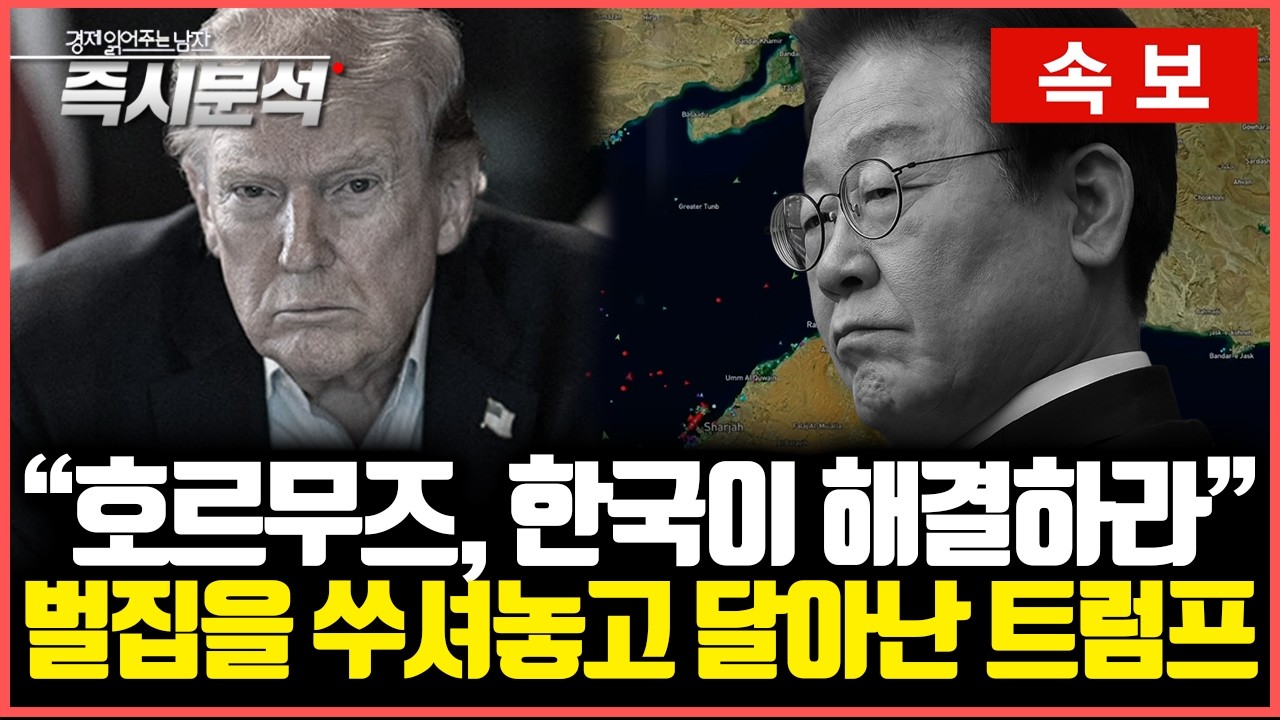
● Trump, Hormuz Shock, Markets Wobble
Trump’s “Hormuz Is Korea and Europe’s Problem” Remark: What Markets Actually Focused On
This is not merely a diplomatic soundbite. Three points matter:
1) The remark signals a simultaneous shift toward reduced US burden-sharing, cost transfer to allies, and election-driven political calculus—more than a pure assessment of Middle East risk.
2) While markets publicly welcomed a semiconductor rebound and a pullback in crude prices, attention has increasingly shifted to the risk of an energy-supply shock feeding back into inflation from April onward.
3) For Korea, the Strait of Hormuz must be analyzed through its linkages to crude imports, inflation, FX, semiconductors, exports, and equity-market direction.
This report summarizes the context behind the statement, Iran’s messaging, US equity and oil-market reactions, implications for Korea, and spillovers into semiconductors and AI. Two under-discussed issues are emphasized: (i) a structure in which the US steps back while allies absorb more cost, and (ii) lag effects whereby energy disruptions appear in inflation and rate expectations weeks later.
1. The market’s first reaction: pricing “restraint signals” over escalation
US equities broadly rose. Previously depressed memory-related semiconductor names rebounded strongly. Gains in Micron, SanDisk, Western Digital, and adjacent memory ecosystem names suggest markets reduced near-term odds of an immediate expansion into a full-scale conflict.
Energy equities declined, and crude prices (WTI) moved back below USD 100. This indicates partial unwinding of “worst-case” risk premia rather than a conclusion to the Iran-related shock. In practical terms, equities appear to have repriced risk from extreme levels toward moderately lower levels.
2. Why Iran’s lengthy presidential message was interpreted relatively constructively
Although the message was forceful in tone, markets focused on the implied constraints:
- Iran claimed it does not initiate wars, but will respond if attacked.
- Iran emphasized it does not view US or Western publics as enemies.
- It stated prolonged war benefits no party.
- It signaled that the US should consider an exit strategy.
Addressing the US public directly was read as prioritizing psychological and diplomatic channels alongside deterrence. A key risk remains that messaging from the presidency may not fully align with other power centers, which could reintroduce volatility if market interpretation becomes overly optimistic.
3. Trump’s core statement: “Hormuz is not America’s problem; it is Korea and Europe’s problem”
The remark has broader implications than a narrow diplomatic warning. It reflects an “America First” posture that favors:
- reduced US direct military commitment,
- expanded ally burden-sharing, and
- pressure on allies to absorb security and energy-related costs.
Given higher US energy self-sufficiency since the shale expansion and lower relative dependence on Middle Eastern crude, the political logic for distancing from Middle East shipping-lane security becomes more feasible. The message can be summarized as:
- the US seeks to avoid deeper military entanglement,
- allies should take greater responsibility and cost,
- the US aims to limit escalation into a direct war, while
- using the issue to increase pressure on allied contributions.
4. Why “de-escalation and disengagement” is politically advantageous now
Domestic political incentives and macro constraints are intertwined. With public evaluation of economic policy deteriorating, any sustained rise in gasoline and food prices can translate quickly into political cost. While conflict can temporarily consolidate support, household price pressures typically erode approval faster.
A politically efficient path is:
- declare military objectives achieved,
- draw a line against prolonged occupation or additional engagement,
- shift Strait of Hormuz responsibility toward allies, and
- retain a “strong leadership” narrative domestically.
This approach reflects an asymmetry: deeper Middle East involvement increases downside risks to inflation and voter sentiment relative to perceived benefits.
5. Why a short-term dip in oil prices does not eliminate risk
Oil and gas markets transmit to the real economy with lags: shipping, delivery, refining, and inventory pass-through take time. Financial markets can rally on near-term relief even as real-economy costs worsen several weeks later.
A key concern is that April may be more negative than March due to timing: cargoes already in transit prior to escalation can temporarily mute immediate shortages, while subsequent supply disruptions may surface later via import volumes, freight rates, and refining margins. If energy-driven inflation pressure re-accelerates, rate-cut expectations may be repriced downward.
The current regime can therefore feature diverging clocks: equity risk-on behavior in the short term versus tightening financial conditions in the medium term.
6. Direct implications for Korea: crude imports, inflation, FX, and manufacturing costs
Korea’s high energy import dependence and manufacturing-heavy structure make it particularly sensitive to Middle East shipping disruptions. Key channels:
6-1. Higher crude import costs
The Strait of Hormuz is a critical corridor for global crude flows. Instability can affect Korean refiners and petrochemical producers, power-fuel procurement, and ocean freight. Strategic stockpiles and alternative sourcing can cushion near-term impact, but prolonged disruption risks structurally higher import prices.
6-2. Consumer inflation pressure
Oil price increases extend beyond retail fuel into logistics costs, electricity tariffs, chemical feedstocks, food distribution, and airfares. This raises the policy burden on the central bank and can delay easing expectations.
6-3. Higher FX volatility
Geopolitical stress typically supports USD strength. KRW depreciation increases import-price inflation. A simultaneous rise in oil prices and USD/KRW represents a compounded shock.
6-4. Manufacturing margin compression
Higher energy and raw-material input costs pressure exporters. Sectors with high cost sensitivity include chemicals, steel, cement, airlines, shipping, and logistics. Revenues may hold while margins deteriorate.
7. Why semiconductors rose: markets separate “immediate” risk from “multi-month” effects
Semiconductor strength reflected:
- near-term relief that escalation into a full-scale conflict appears less likely,
- value-driven inflows after prior underperformance in memory, and
- sustained demand expectations tied to AI servers and HBM.
The semiconductor cycle retains structural support independent of the geopolitical shock, given AI infrastructure build-outs linking GPUs, memory, datacenters, power semiconductors, and advanced packaging.
Key conditional risk: if oil-driven inflation resurfaces and rate-cut expectations are pushed out, valuation pressure can re-emerge for growth and high-multiple segments. The semiconductor and AI rebound remains dependent on energy shock containment.
8. Why the episode matters from an AI-trend perspective
8-1. AI infrastructure ultimately depends on power and energy economics
Datacenters, semiconductor fabrication, and cloud scaling require substantial electricity. Energy price instability affects project economics and capex efficiency, making long-run energy-price stability material for large-scale compute.
8-2. Supply-chain risk re-enters the cost structure
AI-era supply chains for GPUs, HBM, advanced packaging, and power-management ICs depend on stable shipping lanes, input costs, and manufacturing economics. Hormuz risk may not directly block chips, but it can raise system-wide costs.
8-3. National AI competitiveness intersects with energy security
AI competition extends beyond model quality to access to low-cost, stable power and resilient semiconductor supply. Energy security increasingly functions as an input to AI competitiveness.
9. Key takeaways (news format)
- Iran’s message: framed toward the US public; partially interpreted as restraint signaling rather than imminent escalation.
- Trump’s remark: shifted Hormuz responsibility toward allies (Korea/Europe), highlighting intent to reduce US burden.
- US politics: sustained conflict is politically costly amid weakening economic-policy approval.
- Crude oil: near-term pullback does not preclude larger real-economy impact from April onward.
- US equities: risk appetite returned, led by semiconductors; energy names weakened.
- Korea: direct exposure via crude imports, CPI pressure, FX volatility, and manufacturing cost structure.
- AI sector: energy and power stability are key variables for AI infrastructure and semiconductor profitability.
10. The most under-discussed point: a changing US approach to global burden-sharing
The primary issue is not only escalation versus de-escalation; it is the evolution of US posture. The emerging message is: “those who benefit should bear more cost and responsibility.” For Korea, security, energy, supply chains, and trade cannot be treated as separate domains.
For investors, a core implication is timing mismatch: the drivers of a near-term equity rebound can differ from the drivers of earnings pressure months later. A short-term relief rally can coexist with medium-term headwinds from oil, inflation, rates, and FX.
11. Checklist for investors and practitioners
Monitor:
- whether Hormuz transit remains operational in practice,
- re-acceleration risk in WTI and Brent,
- USD/KRW and imported-inflation pressure,
- repricing of US rate-cut expectations,
- whether the semiconductor rally is supported by earnings expectations or primarily short-covering.
In Korean equities, cross-sector monitoring is required: semiconductors, refiners, shipping, airlines, chemicals, defense, and power infrastructure. The variables are interlinked across oil, inflation, FX, supply chains, and AI capex.
12. Conclusion: markets are easing, but macro risk remains elevated
The remark is unfavorable for Korea in that it signals reduced US willingness to absorb geopolitical risk directly and increased expectation that allies assume more responsibility. Markets interpreted Iran’s messaging as partially restraint-oriented and rotated back into risk, led by semiconductors. However, energy shocks do not transmit instantly; they can reappear through inflation, rates, FX, and earnings with lags.
Korea requires an integrated framework linking Hormuz risk, crude prices, inflation dynamics, semiconductors, and AI infrastructure investment.
< Summary >
Trump shifted the Strait of Hormuz burden toward allies such as Korea and Europe, indicating an intent to reduce direct US responsibility. Markets rallied on signals of restraint and a semiconductor-led risk-on move, but the risk that an April-onward energy-supply shock feeds into inflation, FX, and rate expectations remains meaningful. Korea’s high dependence on imported energy and its manufacturing-heavy economy create direct exposure via higher import costs, CPI pressure, and increased FX volatility. AI and semiconductors remain sensitive to power, energy pricing, and supply-chain stability; this is not only a diplomatic issue but also an industrial-competitiveness variable.
[Related Articles…]
- https://NextGenInsight.net?s=semiconductors
- https://NextGenInsight.net?s=international%20oil%20prices
*Source: [ Maeil Business Newspaper ]
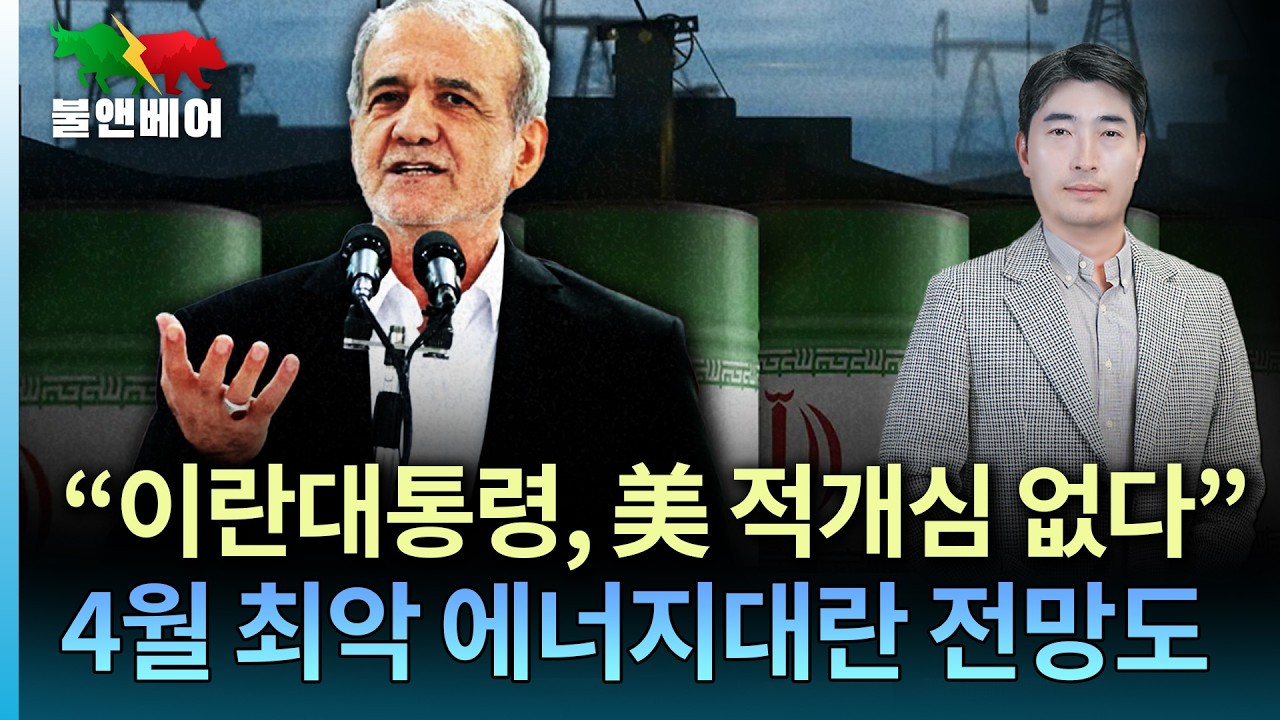
– [홍장원의 불앤베어] 트럼프 “호르무즈 한국, 유럽이 하게 두자. 그들은 우리에게 도움이 되지 않았다”