● SpaceX-IPO-Rocket-Boost
SpaceX IPO Approaching; Intensifying Competition for Leadership in the Space Economy: Key Beneficiary Segments and Core Investment Points the Market Is Watching
This theme should not be viewed merely as “space-related stocks may rise.” The investment case centers on three factors:
1) A potential SpaceX IPO could become a global liquidity magnet and a major risk-asset catalyst.
2) With the U.S., China, and Amazon all committing capital, the space sector is shifting from a thematic trade to a national strategic industry.
3) The most likely concentration of capital is across the full supply chain—satellite communications, defense, lunar programs, and space infrastructure—rather than launch providers alone.
This report summarizes: the drivers behind SpaceX’s re-rating, potential implications for U.S. equities and global markets, space-sector trading dynamics, Artemis-related beneficiary pathways, and a less-discussed structural point—why Wall Street has strong incentives to promote the space narrative.
1. Why the SpaceX IPO Is Emerging as a Potentially Major Global Equity-Market Event
U.S. equities have repeatedly faced volatility amid geopolitical risk and interest-rate uncertainty. Despite these conditions, market discussions of SpaceX valuation continue to trend toward record levels.
Some market expectations reference a target valuation above USD 2 trillion, which would place SpaceX among the top tier of global market capitalizations immediately post-listing, comparable in scale to mega-cap technology leaders.
Accordingly, a SpaceX IPO should be assessed as a market-wide sentiment event, not simply a single-company listing.
2. Why SpaceX’s Valuation Expectations Have Escalated
The rationale is largely tied to SpaceX’s positioning across multiple monetizable segments within the space economy:
- Competitive advantage in reusable launch technology
- Starlink-based satellite communications network
- Expansion of defense and government contracting
- Early positioning in lunar exploration and space transport infrastructure
- Long-duration growth narrative extending to Mars-related programs
Historically, many space ventures were viewed as capital-intensive with limited near-term monetization. SpaceX is differentiated by reduced launch costs, a recurring-revenue model via Starlink, and concurrent exposure to public-sector budgets and private demand.
As a result, the market frames SpaceX as a hybrid asset with characteristics of technology, defense, infrastructure, and telecommunications.
3. From a U.S. Equity-Market Perspective: Conditions for a Space-Led Narrative to Re-Accelerate
Equity markets tend to reward the largest “next” narrative. In recent years, AI, semiconductors, and data centers played that role. Space is increasingly viewed as a candidate for the next cycle because it has a clear category leader.
A durable sector rotation typically requires (i) a dominant flagship name and (ii) a reinforcing ecosystem. The space sector is moving toward that structure. If U.S. markets revert to a stronger risk-on posture, growth-oriented flows could amplify SpaceX IPO-related momentum, influencing Nasdaq and broader global equity sentiment.
4. Amazon Is Increasing Its Commitment: Space Is Becoming a Core Strategic Layer for Big Tech
Amazon is scaling its low-Earth-orbit satellite initiative, with market speculation also considering potential M&A in satellite communications.
The strategic relevance extends beyond a standalone venture:
- Expanding connectivity to underserved regions to broaden commerce reach
- Extending AWS infrastructure footprint
- Improving logistics efficiency across air and maritime networks
- Building long-term leverage over global data connectivity
For Amazon, satellite connectivity functions as a multiplier across core business lines, supporting the view that space is evolving from an option to a strategic necessity for major platforms.
5. China Is Accelerating: Space as a Theater of U.S.–China Strategic Competition
China is also advancing its space agenda, including IPO plans for leading private-sector launch and satellite firms and signals of easing funding constraints.
China’s playbook in strategic sectors has been consistent: regulatory facilitation, expanded financing channels, and accelerated scaling. A similar pattern could occur in space, as previously observed in EVs, batteries, and solar.
This is not merely an IPO headline. It reinforces that space is increasingly tied to national security, communications sovereignty, technological leadership, and supply-chain realignment—factors likely to keep the sector prominent in global macro and policy discussions.
6. Artemis Re-Engagement: Why Lunar Exploration Is Becoming Economically Relevant Again
The U.S. Artemis program is regaining market attention. The key point is not a single landing milestone, but the resumption of a multi-year, budget-backed roadmap for sustained lunar operations.
This stage is better interpreted as a programmatic checkpoint within a policy framework that could extend beyond 2028.
Market sensitivity is driven by potential sequential funding across:
- Lunar landers
- Space transport services
- Exploration hardware
- Space-station and in-orbit infrastructure
- Defense-aligned systems
- Communications and mission control
7. Beneficiary Groups With Higher Probability of Revenue Linkage
7-1. Top-Tier Core Axis: Direct Beneficiaries of SpaceX IPO Expectations
The first group to monitor is the broader space ecosystem likely to move on IPO-related attention and positioning.
- Launch and propulsion supply chain
- Satellite manufacturing and components
- Satellite communications infrastructure
- Space data and ground-station ecosystems
This group is typically expectation-driven and can exhibit elevated volatility.
7-2. Satellite Communications: The Most Commercially Mature Segment
Satellite communications is one of the most actionable commercialization channels in the space economy, with earlier potential for recurring revenue and scalable service models.
- LEO network buildout
- Spectrum acquisition and competition
- Aviation, maritime, and remote-region connectivity
- Integration with defense communications architectures
Starlink and Project Kuiper illustrate “space monetization” through service-based network economics.
7-3. Defense: Potentially the Most Stable Space-Exposure Segment
While many investors focus on smaller high-beta space names, defense primes can represent a comparatively stable exposure. Human-rated spacecraft, launch systems, engines, propulsion, and command-and-control capabilities are often aligned with established defense competencies.
Frequently cited names include:
- Lockheed Martin
- Boeing
- Northrop Grumman
- L3Harris
These companies may benefit from space-sector expansion while retaining earnings support from legacy defense programs.
7-4. Lunar-Exploration Specialists: High Risk, High Volatility
Companies focused on lunar landers, lunar logistics, and exploration hardware can react strongly to headlines and program milestones. However, expectations often lead fundamentals, implying elevated volatility and timing risk.
This segment can offer thematic torque but requires strict risk controls and event-driven interpretation.
8. Under-Discussed Core Point: Wall Street Has Incentives to Sustain the Space Narrative
If SpaceX represents a marquee IPO, capital markets participants benefit from maximizing valuation: underwriting fees, follow-on financings, derivatives activity, and institutional flow generation.
This reflects structural incentives rather than conspiracy. Large IPOs require sustained attention; maintaining attention often depends on keeping the broader sector narrative constructive.
Therefore, through the pre-IPO period, space-related policy headlines, competitive developments, and lunar-program updates may be repeatedly amplified across markets.
9. Macro and Portfolio Framing: How to Position the Theme
The space sector currently combines short-cycle narrative momentum and long-cycle structural growth:
- Near term: IPO expectations may support risk appetite and sector attention
- Medium term: monetization via satellite communications and expanding defense orders
- Long term: strategic-industry designation and technology-competition tailwinds
If easing-rate expectations and liquidity conditions improve, growth-style flows could return, and space could be positioned as a “post-AI” narrative bucket in global equities.
10. Key Risks to Monitor
Risks remain material:
- IPO timing delays
- Risk-off shifts from geopolitical escalation
- Valuation concerns and profit-taking
- Excessive volatility in smaller space equities
- Delays in policy budgeting and program execution
Space equities often exhibit sharp drawdowns following expectation-driven rallies. A segmented approach—flagship, earnings-backed, policy-linked, and theme-driven—can improve risk management.
11. News-Style Briefing: Key Takeaways
SpaceX is being discussed as a potential mega-IPO, with valuation expectations in the multi-trillion-dollar range, positioning it as a candidate for a major global equity-market event.
Amazon is expanding its low-Earth-orbit communications strategy, strengthening competitive intensity in satellite connectivity.
China is easing financing constraints and advancing listings for space firms, broadening the strategic competition landscape.
The Artemis program is viewed less as a single event and more as a signal of sustained multi-year space budget allocation.
Likely beneficiary areas extend beyond launch providers to satellite communications, defense, lunar programs, and broader space-infrastructure supply chains.
A central structural factor is that capital markets have incentives to reinforce the sector narrative ahead of a marquee listing.
12. Conclusion: Space as a Potential Leadership Theme, Not a Short-Lived Trade
The space sector combines a dominant anchor (SpaceX), intensified competition from major platforms and China, policy support, and high-visibility lunar programs.
Accordingly, the sector merits monitoring as a potential leadership candidate within the next growth-cycle narrative, rather than being treated solely as a tactical theme. Ahead of a SpaceX listing, repeated attention cycles may occur; mapping the supply chain and beneficiary pathways in advance is likely to be more actionable than headline-chasing.
< Summary >
SpaceX IPO expectations may act as a major sentiment catalyst across the space ecosystem.
With Amazon and China accelerating, space is increasingly treated as a national strategic industry and a key arena of geopolitical competition.
Economic benefit is most likely to diffuse across satellite communications, defense, lunar exploration, and space-infrastructure supply chains.
A key underappreciated point is the structural incentive for capital markets to amplify the space narrative in advance of a marquee IPO.
Overall, the space sector warrants evaluation as a potential next-cycle leadership theme in U.S. and global equities.
[Related Articles…]
-
SpaceX IPO and Potential Shifts in U.S. Equity Leadership:
https://NextGenInsight.net?s=SpaceX -
Space Industry Beneficiaries and Key Points in Global Technology Competition:
https://NextGenInsight.net?s=Space%20Industry
*Source: [ 소수몽키 ]
– 스페이스X 상장 임박, 전세계 돈 빨아들일 대표 수혜주들
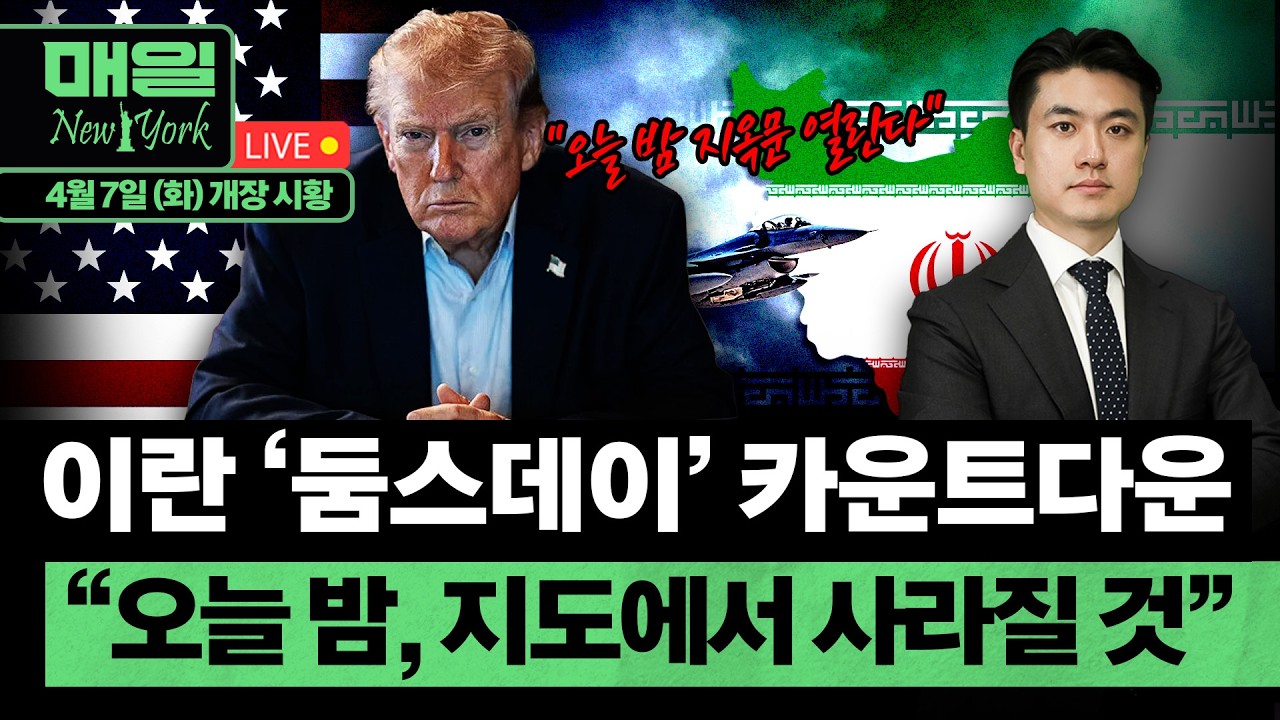
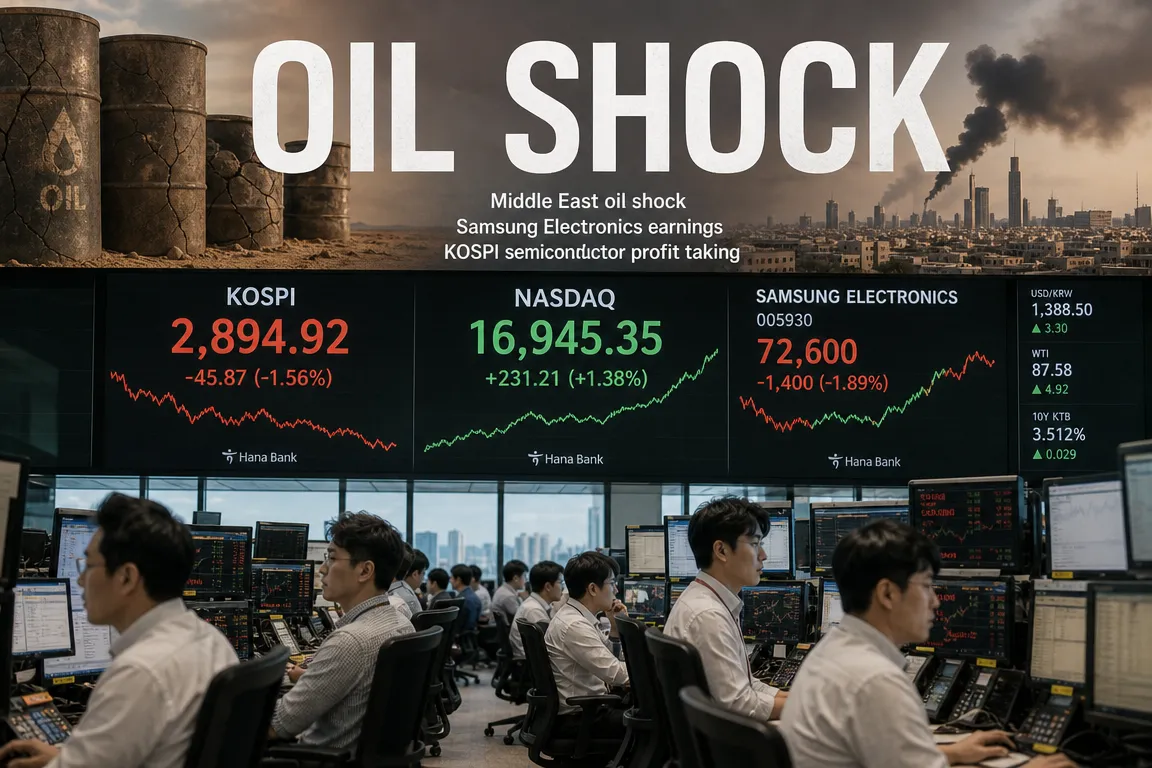
● Trump Last Warning, Kharg Strike, Oil Shock, Inflation, Market Panic
Trump’s “Final Warning” and the Strike on Kharg Island: Markets Should Focus Less on War Headlines and More on the Linkage Between Oil, Rates, and FX
This development should not be treated as a routine Middle East conflict update. The market-relevant transmission mechanism runs from energy infrastructure risk to crude prices, inflation expectations, interest-rate paths, FX, and equities. A key consideration is whether the sequence evolves into a “short, high-intensity shock followed by a self-declared de-escalation,” rather than a prolonged conventional war.
Key angles often underweighted in mainstream coverage:
- How Korea’s refining and jet-fuel supply chain links into US inflation dynamics
- Why Kharg Island is not only a military target but also leverage in energy negotiations
- Why asymmetric conflict risk can persist even after an official de-escalation narrative
1. Core of the headline: why Trump’s “final warning” tightens risk pricing
The statement functions as a geopolitical risk signal that can be rapidly reflected in financial markets. The phrasing implies both a heightened probability of kinetic action and a compressed negotiation window.
- The ultimatum’s short timeline is material.
- The parallel airstrike on Kharg Island reinforces that the signal is action-backed, not rhetorical.
- In such setups, markets typically reprice crude oil, safe-haven demand, sovereign yields, and USD strength before fully processing battlefield details.
Operationally, the message is consistent with: “Absent negotiations, critical Iranian economic infrastructure can be threatened.”
2. Why Kharg Island matters: a gatekeeper of Iran’s crude exports
Kharg Island is central not only militarily but structurally to Iran’s energy export system. A significant share of Iranian crude is stored, processed, and loaded through facilities located there.
- Crude from offshore and onshore fields is consolidated at Kharg Island.
- Storage, processing, and export terminal functions are concentrated on-site.
- It represents an export bottleneck and a core source of hard-currency revenue.
Accordingly, strikes on Kharg Island are interpreted as direct pressure on fiscal capacity and external accounts, making markets particularly sensitive to related headlines.
3. Scenario framework: two near-term paths
Scenario A. Iran returns to negotiations
A negotiation pivot can trigger fast market mean-reversion.
- Crude price momentum may cool in the near term.
- USD/KRW may stabilize.
- Global and Korean equities could rally on reduced tail risk.
- US Treasury yield volatility may ease as risk-off demand moderates.
Key point: when escalation risk declines, price reversals can be rapid.
Scenario B. Iran does not engage
In this case, the probability of additional strikes or broader threats to energy infrastructure increases.
- Higher likelihood of follow-on strikes on Kharg Island-related assets
- Potential widening of threats toward energy infrastructure
- Renewed upside risk to crude prices
- Re-acceleration of inflation concerns
- Increased downside pressure on equities
- Higher USD/KRW and elevated FX volatility
A secondary consideration is a potential shift after intense action toward a “self-declared de-escalation,” implying a sharp shock profile rather than a multi-quarter war.
4. Why crude oil is the first-order variable
The macro impact primarily propagates through crude oil. Middle East risk typically reprices first in oil futures and spot markets.
- Supply disruption risk lifts refining, shipping, and aviation costs.
- Energy price increases feed into CPI with a lag.
- Higher inflation pressure weakens rate-cut expectations and revives tightening concerns.
- Risk assets reprice; defensives, commodities, and USD demand tend to strengthen.
Core chain:Middle East escalation → higher crude → higher inflation pressure → altered rate path → higher equity volatility
5. Inflation and rates: why this may not be “one spike and done”
A critical issue is the lagged pass-through from crude to consumer prices.
- Energy shocks often transmit to CPI with approximately one-quarter lag.
- The current shock could weigh more materially on inflation prints in subsequent quarters.
- Disinflation trends may soften.
- The pace of rate cuts by the Federal Reserve and other central banks could slow.
This matters because markets have already priced significant easing in multiple segments; renewed oil-driven inflation can force valuation-sensitive assets to reprice.
6. Why Korea may be more exposed (three factors)
(1) Low energy self-sufficiency
Korea’s high import dependence increases vulnerability to Middle East supply disruptions.
(2) Energy-sensitive industrial structure
A manufacturing-heavy economy with meaningful exposure to refining, petrochemicals, and logistics is more sensitive to input-cost shocks. Higher oil affects both production costs and freight.
(3) High dependence on Middle East crude
Elevated exposure to Middle East supply routes increases sensitivity to Hormuz-related risks, affecting not only import prices but also supply security.
Summary: Korea can face simultaneous shocks to FX, import prices, unit costs, and CPI.
7. Equities, FX, and sovereign yields: investor framing
Equities
Escalation risk typically triggers risk-off conditions.
- Airlines, chemicals, transport, and domestic consumption segments may face pressure.
- Energy, defense, and select commodity-related exposures may outperform on relative terms.
- Large-cap technology can be constrained by macro risk even with resilient fundamentals.
FX
USD/KRW is highly sensitive to geopolitical risk and oil. Stronger risk-off dynamics generally favor USD and pressure KRW.
Sovereign yields
Yields do not move solely on safe-haven flows. If inflation risk rises concurrently, long-end yields can face upward pressure. A simple “war equals bond rally” framework is insufficient in this regime.
8. Under-discussed linkage: if Korea slows, the US can still feel it
A common simplification is that the US is less dependent on Middle East crude, implying limited exposure. Supply chains complicate this view.
- Korea imports crude but exports higher value-added refined products.
- Korea plays a material role in refined products supply, including jet fuel.
- Disruption to Korean refining can transmit indirectly to US prices.
If Hormuz-related stress disrupts Korea’s refining and export chain, the spillover can reappear in US inflation via refined products, freight, and aviation costs, reintroducing a global inflation impulse.
9. Policy objective: full-scale war vs. a “short victory narrative”
The incentive set is consistent with prioritizing a short, high-impact action followed by a political declaration of success.
- Prolonged conflict raises US domestic inflation and political costs.
- A crude spike is immediately negative for US consumers.
- External diplomatic schedules can also be constrained by sustained escalation.
Markets should therefore assess not only strike intensity, but also the probability and timing of an off-ramp that enables de-escalation messaging.
10. Residual risk may persist after de-escalation: asymmetric conflict
An official de-escalation narrative may not eliminate risk.
- Conventional interstate conflict can pause while asymmetric actions continue.
- Potential channels include cyber operations, maritime disruption, localized attacks, and indirect retaliation.
- Headline intensity may fade while supply-chain risk premiums remain.
This can keep energy and logistics risk premia elevated longer than the news cycle suggests.
11. Investor checklist: indicators to monitor
- Crude oil: whether escalation expands from Kharg-related strikes toward energy infrastructure
- USD/KRW: gauge of Korea market stress
- US inflation expectations: measure of oil-to-inflation transmission
- US Treasury yields: whether rate-cut expectations are being repriced
- KOSPI and global equities: risk appetite recovery vs. deterioration
12. One-line conclusions
- Kharg Island is a critical node in Iran’s export and revenue system.
- The strike serves both military objectives and energy-negotiation leverage.
- The first-order variable is crude oil and the risk of inflation re-acceleration.
- Korea is structurally more exposed due to energy dependence and supply-route concentration.
- Markets are weighing “short shock plus self-declared de-escalation” alongside escalation risk.
- Asymmetric conflict can outlast formal de-escalation and keep risk premia elevated.
The most material points often omitted in mainstream coverage
First, the key issue is not the military headline itself but the use of energy infrastructure as negotiation leverage; Kharg Island functions as an economic pressure point.
Second, reduced US direct dependence on Middle East crude does not eliminate vulnerability; disruption to Asian refining and product exports can feed back into US inflation via jet fuel and refined product pricing.
Third, even if a de-escalation declaration emerges, normalization may not be immediate; asymmetric risk and supply-chain fragility can keep crude and inflation elevated.
Fourth, the decisive variable is not “who wins,” but how quickly and under what rationale the episode is terminated, as this can simultaneously influence equities, FX, rates, and inflation.
< Summary >
Trump’s “final warning” and the strike on Kharg Island represent a macro-relevant shock channel linking crude oil, inflation, rates, FX, and equity markets. Because Kharg Island is a core export hub, higher strike intensity can translate into heightened crude sensitivity. Two scenarios dominate: negotiations can trigger fast risk repricing and stabilization; non-engagement raises the risk of crude spikes, equity drawdowns, and FX stress. A sharp-action-then-de-escalation pathway remains plausible, but asymmetric conflict and supply-chain risk can persist beyond any formal de-escalation narrative.
[Related Posts…]
- https://NextGenInsight.net?s=%EA%B5%AD%EC%A0%9C%EC%9C%A0%EA%B0%80
- https://NextGenInsight.net?s=%EC%9D%B8%ED%94%8C%EB%A0%88%EC%9D%B4%EC%85%98
*Source: [ 경제 읽어주는 남자(김광석TV) ]
– [속보] 트럼프의 ‘마지막’ 경고 “한 문명 전체가 멸망할 것”. 하르그섬 집중 타격. 경제적 시나리오 [즉시분석]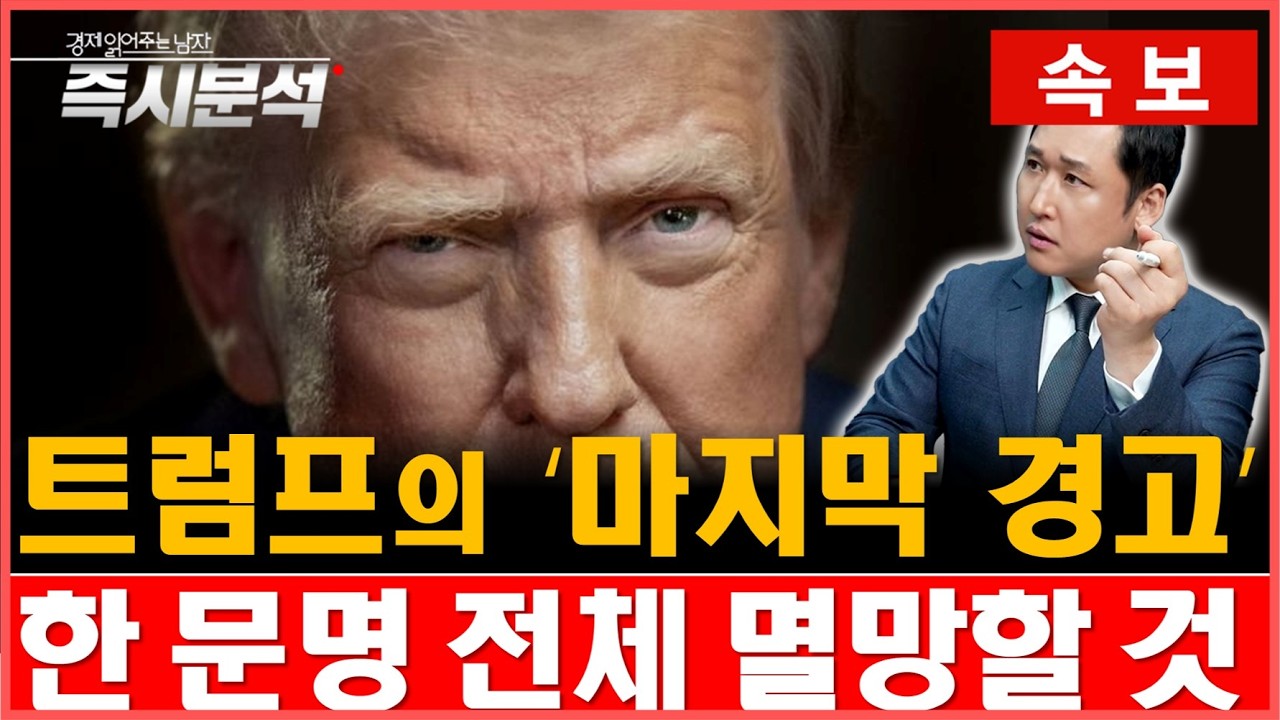
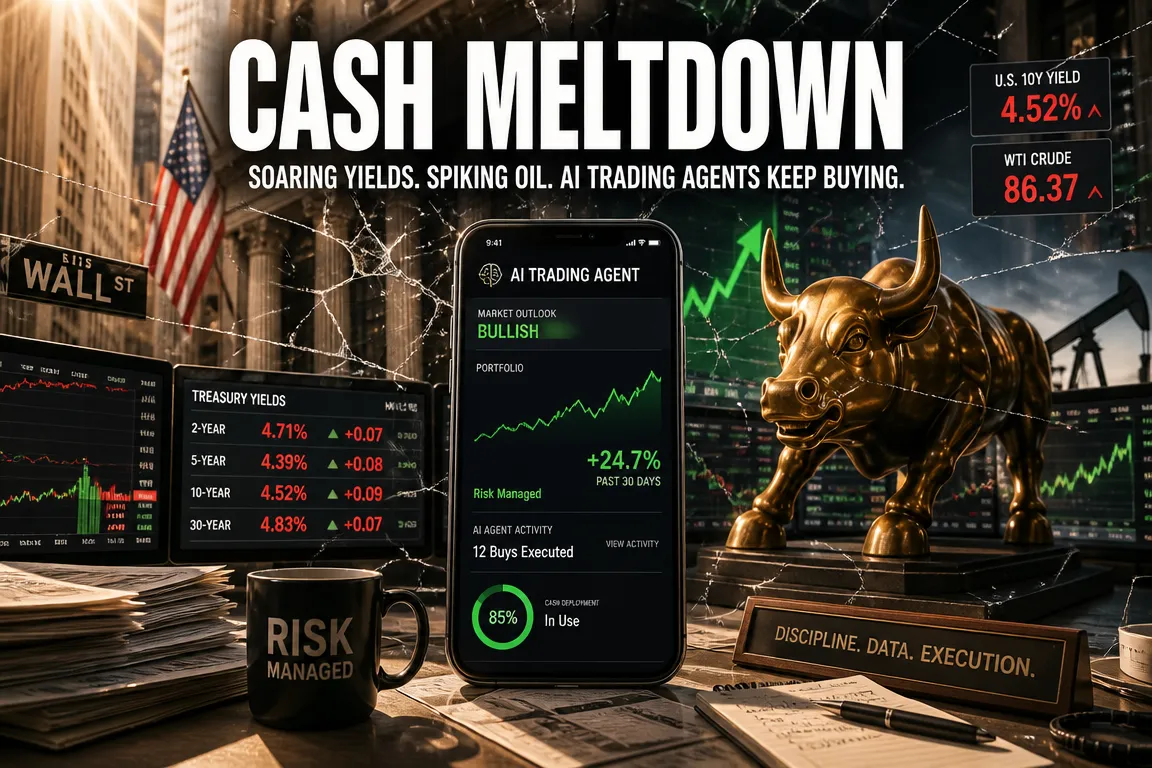
● Mideast Shock, Oil Surge, AI Shakeup
Israel-Iran Full-Scale Conflict Risk, Oil at $115, UnitedHealth Surges, and Broadcom-Google TPU Momentum: Today’s Essential Market Takeaways
The market is not reacting to a one-day headline cycle.
This setup simultaneously involves Middle East geopolitical risk, a sharp rise in crude oil, higher U.S. equity volatility, Medicare policy shifts, and AI semiconductor leadership competition.
This note goes beyond a generic “war risk drives equities lower” narrative and focuses on:
- why Israel is targeting Iranian rail infrastructure,
- why strikes on oil facilities are a more material market signal,
- why UnitedHealth could absorb negative overhangs and still rally,
- why a Broadcom-Google TPU relationship could pressure the single-supplier AI compute narrative,
- why the key near-term variable is not rates, but political messaging and official statements.
1. One-line summary: War risk is repricing multiple asset classes simultaneously
U.S. equities opened weaker. The S&P 500, Nasdaq, and Dow traded in negative territory, with the Nasdaq underperforming.
The tone resembled cautious weakness rather than capitulation: downside pressure without clear panic-volume characteristics.
Key drivers were not macro data but statements and positioning from U.S. political leadership, U.S. administration signaling, Iranian responses, and Israeli military actions.
This is a regime where geopolitics is directly moving asset prices.
2. Middle East risk: why this is not a standard “war headline” episode
2-1. The target set extends from military assets to Iran’s economic arteries
Reports indicate pressure on both Iran’s oil-export nodes and transportation infrastructure.
Kharg Island is widely viewed as a critical Iranian crude export hub. Disruption there implies an attempt to constrain Iran’s cash-flow capacity, not merely conduct symbolic retaliation.
Rationale for targeting rail infrastructure:
- disrupt military logistics,
- create internal supply-chain disorder,
- pressure industrial and civilian economic activity,
- reduce the regime’s operational resilience.
This resembles an economic-warfare approach aimed at energy and logistics simultaneously.
2-2. Iran’s response signal: rising probability of escalation framing
Domestic messaging has included calls to form human chains around major facilities.
For markets, such signaling increases discomfort because it can imply:
- preparation for a prolonged confrontation or broader escalation,
- a higher risk of civilian involvement complicating military options and prolonging uncertainty.
This reduces confidence in rapid containment and increases the tail risk premium.
2-3. The market’s focal point is the deadline dynamic
Ahead of key decision windows, pricing sensitivity increases materially. Depending on the path (extension, additional warnings, expanded limited strikes, or broader escalation), the following can reprice concurrently:
- USD FX levels,
- crude oil,
- U.S. equity futures,
- Asia open risk sentiment,
- safe-haven demand.
The primary question is not “who wins,” but “how quickly conditions return to a controllable range.”
3. Crude oil at $115: why the move should not be dismissed
WTI reaching $115 suggests markets are pricing non-trivial supply-disruption risk rather than only sentiment.
Brent also remains elevated, and the market is increasingly treating triple-digit oil as plausible rather than exceptional.
3-1. Why higher oil is a systemic risk factor
- higher energy costs compress corporate margins,
- higher transport costs pressure consumer prices,
- rate-cut expectations can be pushed out,
- renewed pressure on EM FX and funding conditions,
- global growth risks can re-emerge.
Oil is not a sector-only issue; it transmits into inflation and discount rates, impacting growth equity valuation.
3-2. Why equities have not broken down further
Despite the oil move, equities did not collapse, reflecting multiple open scenarios:
- no sustained supply-chain breakdown,
- scope for negotiation after aggressive signaling,
- containment via limited, managed strikes.
Equities appear to be pricing risk, but not fully discounting the worst-case path.
4. U.S. data: durable goods were weaker in headline, stronger in core
February U.S. durable goods orders were softer than expected on the headline basis.
However, the market focus is on core durable goods (ex-transport), which printed stronger than expected.
4-1. Why core durable goods matter
Large aircraft orders can distort monthly prints. Core measures better reflect business capex intent in:
- computers,
- communications equipment,
- industrial machinery,
- automation equipment,
- cloud and data-center infrastructure.
Resilience in these categories indicates continued long-horizon investment despite restrictive rates, supported by AI infrastructure and productivity capex.
4-2. Market implications
A firmer activity backdrop can also imply less urgency for near-term easing:
- growth holds up,
- capex remains supported,
- the policy pivot can be delayed.
This keeps a dual overhang in place: geopolitical risk plus sticky-rate risk.
5. UnitedHealth surge: Medicare Advantage rate support as a catalyst
UnitedHealth rebounded sharply, driven by signals of increased government support tied to Medicare Advantage economics.
5-1. Why UnitedHealth matters
UnitedHealth is not a pure-play insurer; it combines insurance with pharmacy, care delivery, data, and services through an integrated platform, with Optum providing material vertical integration.
5-2. Why the stock had been pressured
The primary overhang was policy and margin risk. Tighter Medicare Advantage funding typically compresses insurer profitability.
The new signal was interpreted as:
- improved ability to defend margins,
- reduced policy uncertainty,
- reinforced scale advantages for market leaders.
In policy-driven industries, incremental support tends to accrue disproportionately to the largest operators.
5-3. Investment takeaways
The move highlights the market’s preference for category leaders with durable cash flows under policy uncertainty, with healthcare also offering partial defensive characteristics.
Key attributes emphasized:
- policy sensitivity and positioning,
- cash-flow durability,
- scale-driven competitive advantage.
6. Broadcom-Google next-generation TPU momentum: a structural signal in AI compute
The AI-relevant development centered on Broadcom’s positioning with Google’s next-generation TPU roadmap.
This is less a single supply headline and more a potential inflection toward “custom silicon at scale” alongside general-purpose GPU platforms.
6-1. Why TPU-related momentum matters
Google has expanded TPU capability to strengthen its AI stack, and Broadcom is positioned in custom silicon design and implementation. The strategic value rises as large AI developers increasingly leverage Google infrastructure.
Core logic:
- AI compute demand is accelerating,
- GPU-only scaling increases cost and power constraints,
- hyperscalers seek workload-optimized silicon,
- custom silicon partners gain strategic relevance.
6-2. What 3.5GW of compute demand implies
This magnitude implies AI compute becoming power-constrained infrastructure at industrial scale, shifting attention beyond model performance toward enabling capacity.
The AI investment lens expands to:
- power availability,
- data-center buildout,
- semiconductor design,
- cloud vertical integration,
- custom AI silicon ecosystems.
6-3. Is Broadcom a direct Nvidia challenger?
Partially, but not as a one-for-one substitute.
Nvidia leads general-purpose, high-performance GPU platforms. Broadcom’s strength is custom ASIC programs aligned to specific customer workloads.
- Nvidia = general-purpose AI compute platform
- Broadcom = custom AI infrastructure silicon partner
The material point is that hyperscalers are increasingly pursuing diversification from single-vendor dependence due to cost, power, supply-chain, and optimization considerations.
7. Apple, Tesla, Nvidia: why mega-cap tech was weaker
7-1. Apple
Apple traded weaker amid limited incremental catalysts. Market focus included potential delays in product roadmap items and a perception of insufficient near-term AI narrative depth relative to peers.
7-2. Tesla
Tesla declined amid broader risk-off conditions, where valuation sensitivity and macro uncertainty tend to dominate growth narratives.
7-3. Nvidia
Nvidia remains a central AI proxy, but Broadcom-related headlines encouraged relative rotation within AI exposure, reflecting broadening expectations for AI beneficiaries beyond a single name.
8. What investors should monitor
8-1. In the near term, geopolitics can dominate fundamentals
Headline risk may outweigh earnings sensitivity temporarily. Middle East developments can move equities, oil, USD, gold, rates, and crypto in parallel.
8-2. If oil remains above $100, market interpretation changes
Sustained triple-digit oil increases the probability of higher inflation expectations and a more restrictive policy path, pressuring growth-equity discount rates and favoring cash-flow durability.
8-3. AI remains a mega-trend, but the focus is shifting from “who sells more chips” to “who controls power and infrastructure”
AI exposure increasingly depends on power, data centers, cloud integration, and custom silicon, implying more frequent market attention on infrastructure-linked semiconductor and platform beneficiaries.
9. Underappreciated key points
9-1. The economic impact channel is energy and logistics infrastructure disruption
Markets weigh the impairment of oil supply and transportation networks more heavily than the tactical count of strikes. The macro transmission is driven by how quickly energy and logistics flows are disrupted.
9-2. UnitedHealth’s surge illustrates the premium on policy-resilient category leaders
In subsidy- and regulation-driven industries, scale leaders tend to capture disproportionate upside when uncertainty eases. This framework extends beyond healthcare to defense, power infrastructure, and semiconductors.
9-3. The Broadcom headline is about AI industrialization, not only Nvidia relative performance
AI is moving from application competition to industrial infrastructure, expanding the beneficiary set to power equipment, cooling, networking, foundry capacity, and cloud infrastructure.
10. News-style summary for publication
- Middle East conflict risk rising: Israeli pressure on Iranian rail and oil-export-linked infrastructure increased market uncertainty.
- Oil spikes: WTI moved to around $115, raising inflation re-acceleration concerns.
- U.S. equities softer: Nasdaq underperformed; the move appeared more like de-risking than forced selling.
- U.S. activity remains firm: Headline durable goods were weak, but core orders were strong, supporting the capex narrative.
- UnitedHealth jumps: Medicare Advantage support improved expectations around margin stability.
- Broadcom strengthens: Google TPU momentum and large-scale AI buildout expectations supported the custom silicon thesis.
- AI compute narrative diversifies: Growing attention to ASIC/custom silicon suggests a gradual shift away from a single-supplier framing.
11. Forward variables to track
- additional official U.S.-Iran statements and policy actions,
- whether oil stabilizes above the $110-$115 range,
- re-acceleration risk in inflation expectations,
- further repricing of rate-cut expectations,
- the pace at which Broadcom-Google-AI ecosystem commitments convert into revenue,
- follow-through in policy-sensitive healthcare equities.
< Summary >
The central market driver is elevated Middle East geopolitical risk, reflected in higher oil and increased cross-asset volatility.
Israeli pressure on Iranian rail and oil-linked infrastructure represents an economic-warfare channel targeting energy and logistics, with direct implications for supply risk premia.
U.S. core durable goods orders indicate resilient capex, which may limit the speed of dovish repricing even as geopolitical risks rise.
UnitedHealth rallied on improved Medicare Advantage support, while Broadcom benefited from Google TPU-related momentum as AI compute shifts toward custom silicon and infrastructure-scale constraints.
[Related Articles…]
- How Middle East conflict risk and oil spikes affect global equities
- What Broadcom-Google TPU collaboration signals for AI semiconductors
*Source: [ Maeil Business Newspaper ]
– 이스라엘, 이란 철도 인프라 파괴 시작ㅣ메디케어 MA 인상, 유나이티드헬스 급등ㅣ브로드컴, 구글 차세대 TPU 개발 계약ㅣ홍키자의 매일뉴욕