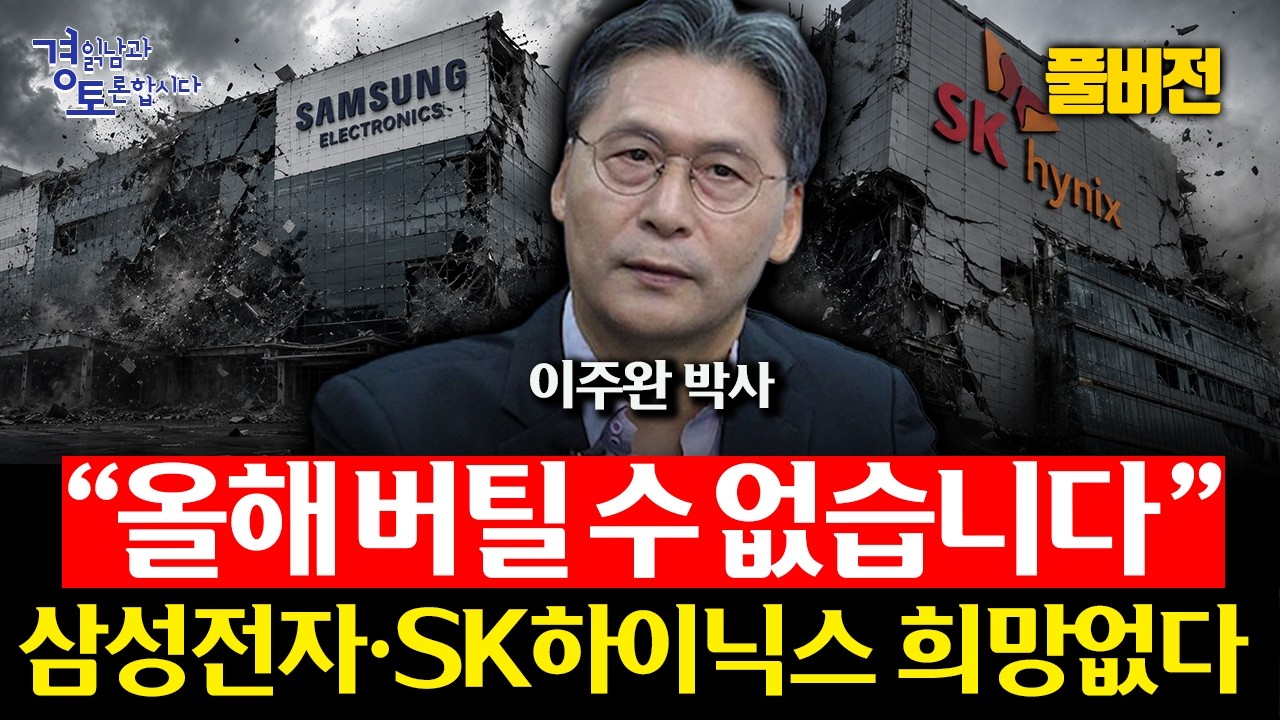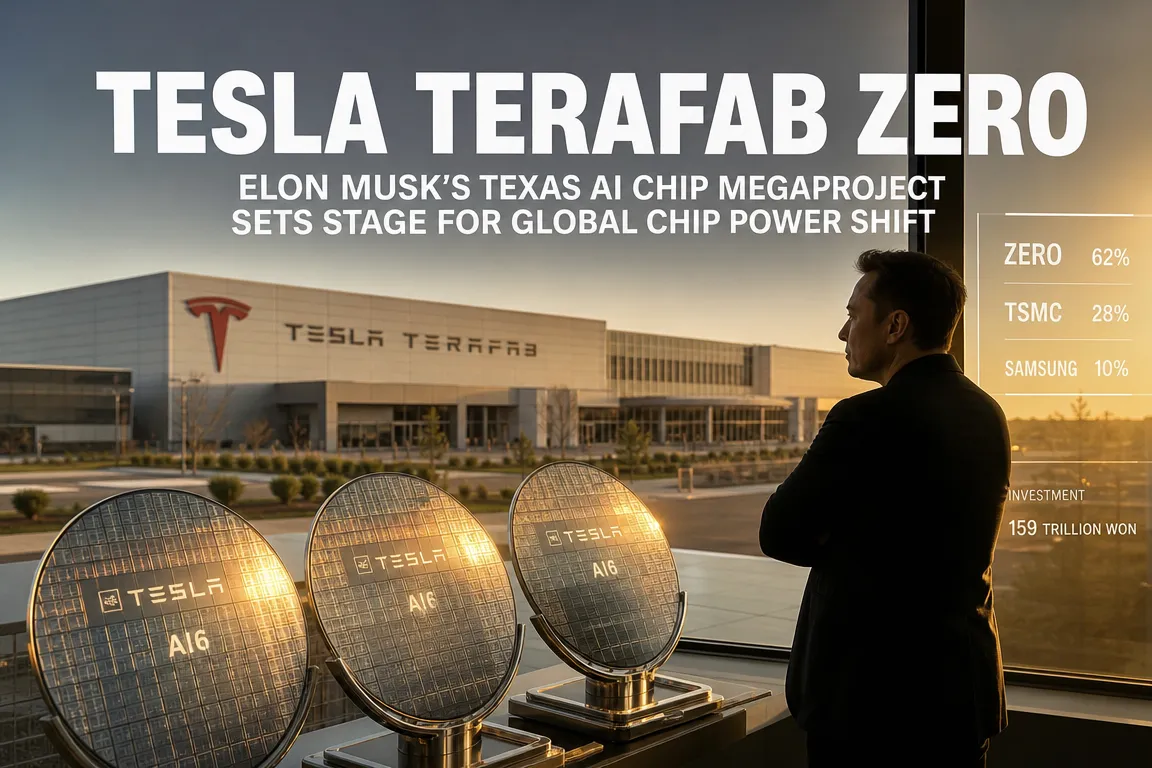
● Semiconductor Supercycle, Bubble or Boom
Semiconductor Supercycle: Early Phase or a Late-Cycle Optical Illusion
Recent market focus centers on whether current strength in memory semiconductors reflects a durable upcycle or a temporary distortion driven by pricing, FX, and supply discipline.
1. Core Update: Results Look Strong, but Underlying Drivers Are Less Robust
- SK Hynix posted strong profitability.
- Samsung Electronics has regained investor attention on expectations of a semiconductor recovery.
- HBM, AI servers, data centers, and Nvidia-linked demand have supported a “supercycle” narrative.
Key counterpoint:
- A meaningful share of the earnings improvement appears driven more by price increases and favorable FX than by broad-based volume growth.
- Strong reported results and sustainable earnings power are not equivalent.
2. Earnings Quality: Why Strong Headline Numbers May Not Provide Comfort
2-1. Revenue Framework: Price (P) × Volume (Q) × FX
- For export-heavy Korean memory suppliers, FX is a material amplifier of both revenue and operating profit.
- Recent results are interpreted as being supported primarily by higher prices and a higher USD/KRW level rather than a step-change in shipment volumes.
- Price-led earnings expansions typically peak and reverse faster than volume-led expansions.
2-2. SK Hynix Operating Margin: Strong on the Surface, Less Compelling in Context
- Micron is often treated as a leading indicator due to earlier reporting.
- Reported operating margins:
- Micron: ~69%
- SK Hynix: ~72%
- Timing matters:
- Micron results reflect roughly December–February pricing.
- Korean suppliers reflect roughly January–March pricing.
- With March pricing higher and USD/KRW supportive, Korean margins might have been expected to appear structurally stronger; the relative outcome suggests earnings quality may be less resilient than headline figures imply.
2-3. Ex-FX, Results Could Normalize Quickly
- A higher USD/KRW typically lifts KRW-denominated revenue and profit for USD exporters.
- The view presented is that a non-trivial portion of recent operating profit improvement can be attributed to FX.
- If FX stabilizes or reverses, reported profitability may compress.
3. Supercycle Debate: AI Demand Does Not Guarantee a Memory Supercycle
3-1. Central Claim: Memory Cycles Are Often Supply-Driven
- The cycle is framed as being determined more by supply actions than demand acceleration.
- AI demand is real, but may not yet represent a structural step-change sufficient to explain sustained memory price escalation on its own.
- Current price strength is interpreted as significantly influenced by supply cuts.
3-2. Why “AI-Driven Demand Explosion” May Be Overstated
- Long-term memory demand growth has been persistent; the question is whether AI has materially steepened the trajectory.
- AI may have supported baseline demand and prevented deceleration, but may not yet justify a supercycle-level re-rating of the demand curve.
3-3. HBM Strength Does Not Fully Explain the Broader Memory Market
- HBM is a critical component for AI compute and a key competitive battleground.
- However, its current share of total memory is still limited.
- Extrapolating HBM tightness to the full DRAM and NAND complex may overstate the breadth of the cycle.
4. Price Peak Risk: Why “Within This Year” Is Being Discussed
4-1. Current Price Gains Are Interpreted as the Result of Production Cuts
- Extended production cuts reduced inventories.
- Even after inventories normalized, constrained output may have sustained tightness and accelerated price increases.
4-2. Limited Additional Cutting Capacity Implies a Ceiling to Price Momentum
- Further utilization reductions face practical constraints.
- Supply can expand more easily than it can be reduced.
- If Chinese suppliers and Micron increase output, aggregate supply may rise even if Korean suppliers maintain discipline.
- With demand growth not materially accelerating, the probability of a price peak increases.
4-3. Memory Prices Often Decline Rapidly After Peaking
- Once prices begin falling, suppliers may increase shipments to defend revenue, worsening oversupply.
- In a price-driven earnings phase, downside sensitivity of earnings and equity performance can be high.
5. Structural Risk: China’s Share Gains and a Potential Shift in Industry Discipline
5-1. Share Loss for Near-Term Margins May Alter the Long-Term Competitive Structure
- While Korean suppliers prioritize profitability via supply restraint, Chinese competitors may expand share.
- Once market structure shifts, restoring oligopolistic pricing power may be difficult.
5-2. Risk of Returning to a “Chicken Game” Dynamic
- Post-restructuring, the memory industry operated with higher discipline and improved profitability.
- If additional credible suppliers emerge, coordination becomes harder and pricing power may erode.
- This is framed as a strategic issue for long-term industry premiums, not only a near-term earnings issue.
6. Three Investor Signals to Monitor
6-1. Memory Price Peak Confirmation
- Valuations appear to discount meaningful future earnings recovery.
- Early signs of price peaking could drive rapid shifts in expectations.
6-2. AI Capex Cycle Deceleration
- AI is secular, but data center investment remains cyclical.
- The view presented suggests current investment intensity may be in a later phase of an aggressive cycle.
- Monetization models are not fully validated relative to the scale of capex; any capex moderation could pressure “AI beneficiary” semiconductors.
6-3. Macro and Liquidity Regime Changes
- If inflation re-accelerates or rates stay higher-for-longer, risk appetite may weaken.
- As a KOSPI cornerstone, semiconductors remain sensitive to USD rates, FX, global growth, and geopolitics.
7. Samsung Electronics Labor Action Risk: The Larger Issue Is Supply Reliability
7-1. Performance Pay Dispute Extends Beyond Wages
- The issue intersects with compensation design, talent retention, shareholder returns, and reinvestment capacity.
- Talent competition, including pull from China, increases the strategic importance of compensation policy.
7-2. Compensation Design May Matter More Than Absolute Amount
- Uniform distribution may support stability but may not optimally retain top contributors.
- Alternatives cited: patent rewards, key-person incentives, long-term incentives, and equity-linked compensation.
7-3. Why Prolonged Action Would Be Material
- Semiconductor fabs are highly automated; short disruptions may have limited immediate impact, especially at reduced utilization.
- Duration and participation rate are critical.
- With potentially limited buffer inventories after extended cuts, delivery delays could emerge.
- The principal risk is customer trust and supply reliability, which can affect future contracting and share retention.
8. Korea Macro Implications
- Semiconductors are central to exports, corporate earnings, the KOSPI, FX dynamics, and the trade balance.
- Supply disruptions can propagate through manufacturing value chains and weaken sentiment.
9. News-Style Summary
9-1. Earnings
- Results appear strong, but are assessed as materially supported by price increases and FX rather than volume expansion.
9-2. Industry Conditions
- Current memory strength is interpreted as more supply-cut-driven than purely demand-driven.
9-3. Pricing
- As incremental supply cuts become harder and competitors add output, a price peak within the year is viewed as plausible.
9-4. Investment
- Memory pricing, AI capex sustainability, and macro liquidity conditions are the key swing factors for sector performance.
9-5. Labor
- Labor disruption risk is framed as a supply reliability and talent strategy issue, not only a near-term cost issue.
10. Under-Discussed Key Points
10-1. Prioritize Earnings Quality Over Headline Earnings
- Price- and FX-driven earnings can reverse quickly when conditions normalize.
10-2. The “Supercycle” Narrative May Reflect a Supply-Driven Distortion
- AI is a long-term theme, but current price dynamics may be explained largely by constrained supply.
10-3. Supply Discipline Can Protect Margins but Risk Long-Term Share and Market Structure
- China share gains could compress long-term industry premiums.
10-4. The Core Labor Risk Is Customer Trust, Not Immediate Output Loss
- Supply trust impacts future pricing and share more than near-term volume.
10-5. AI Capex Is Ultimately Constrained by Monetization
- Large-scale infrastructure spending may slow if returns remain uncertain.
11. Bottom Line for Investors
- The sector is strong, but the strength may be driven by transient variables (pricing and FX) rather than durable volume expansion.
- Key variables to track:1) Timing and confirmation of memory price peaking
2) Continuity of AI investment into next year
3) Strategic balance between near-term profitability and long-term competitiveness for major Korean suppliers
< Summary >
- The current upswing may reflect a supply-cut and FX-driven earnings distortion rather than a demand-driven supercycle.
- A memory price peak within the year is discussed as plausible; if prices roll over, earnings and equity performance may become highly sensitive.
- HBM and AI are meaningful growth vectors but may not fully justify a broad-based, long-duration upcycle across all memory categories.
- China share expansion and Samsung Electronics labor action risk are material structural variables for competitiveness and export stability.
- Investors should emphasize earnings quality, supply structure, and long-term competitive positioning over headline momentum.
[Related Posts…]
- Semiconductor outlook and the key variables behind Korea’s export recovery: https://NextGenInsight.net?s=semiconductors
- AI capex cycle and signals of big tech investment moderation: https://NextGenInsight.net?s=AI
*Source: [ 경제 읽어주는 남자(김광석TV) ]
– [풀버전] 반도체 슈퍼사이클 논란. 실적 착시와 가격 피크아웃 가능성 | 경읽남과 토론합시다 | 이주완 박사