● Relief-Rally, Delayed-Shock, Rate-Hold
Immediate Take: US PCE and GDP — Focus on Lag Risk, Not an “Relief Rally”
Two points matter most in this release.
First, the latest US PCE likely does not fully reflect the inflation impulse markets fear from Middle East-driven energy shocks.
Second, the final US GDP reading strengthens the slowdown signal, but conditions remain too complex for the Federal Reserve to pivot quickly toward policy rate cuts.
The headline interpretation may be “inflation is fine and growth is only modestly weaker,” but the higher probability risk is that crude oil, producer prices, import prices, freight costs, and naphtha-linked input inflation transmit into broader prices with a multi-month lag.
This note covers:
- Why this PCE print remained relatively contained
- What the 0.5% final GDP implies about the degree of deceleration
- When Middle East risk may translate into realized inflation
- Why the Fed and Chair Powell have limited room to react immediately
- Why the implications may be more adverse for the Bank of Korea, USD/KRW, and domestic inflation
- The under-discussed transmission chain: “Energy → Naphtha → Goods → Services”
1. Key figures (at a glance)
- US PCE inflation: 2.8% YoY
- US Core PCE inflation: 3.0% YoY
- US GDP (final): 0.5%
- Prior GDP (preliminary): 0.7%
From the numbers alone, the market may conclude:“Inflation met expectations, core is stabilizing modestly, and growth is weaker than expected.”
This can drive near-term reactions such as lower yields, a tilt toward risk assets (especially large-cap growth/tech), and renewed expectations for earlier rate cuts.
That interpretation is incomplete.
These data points largely represent a period before the recent escalation in geopolitical risk and oil prices is fully captured in official inflation measures.
2. Why PCE looked calm: timing, not measurement error
2-1. This PCE print has a “February inflation” profile
The release primarily reflects conditions before the recent run-up in crude and geopolitical stress materially fed through.
Markets are focused on the March–April energy shock, while today’s figures are subject to reporting and pass-through lags.
The correct interpretation is not “there was no inflation shock,” but “the shock has not yet fully appeared in the official data.”
2-2. Energy does not transmit to consumer prices immediately
Oil price increases typically propagate through the economy in stages:
- Crude oil rises
- Import unit costs increase
- Refining and petrochemical input costs rise
- Producer prices increase
- Transport, packaging, chemical inputs, fertilizer, and plastics prices rise
- Gradual pass-through into goods and services prices
- Final consumer inflation increases
This process rarely occurs in a single step and often appears with a 1–3 month lag (or longer).
The practical question is not that today’s PCE was contained, but what incremental pass-through will appear in upcoming CPI and PCE releases.
3. What the 0.5% final GDP implies: the US economy is decelerating more than expected
3-1. The revision from 0.7% to 0.5% is meaningful
A downward revision in the final estimate signals weaker underlying momentum than previously assessed, not a trivial adjustment.
Likely contributors include the cumulative drag from higher-for-longer rates, softer consumption, weaker business investment, inventory adjustment, and diminishing fiscal impulse.
Net assessment: the economy is still expanding, but resilience appears less robust than consensus implied.
3-2. Slower growth alongside renewed inflation pressure increases policy complexity
If growth slows while energy-driven inflation re-accelerates, the Fed faces a more difficult trade-off.
A mild stagflation-like mix (weaker growth with renewed inflation impulse) complicates both the case for cuts and the decision to remain restrictive.
4. CPI vs. PCE: which matters more?
4-1. CPI is the faster thermometer; PCE is the policy-grade diagnostic
- CPI: earlier release; often drives immediate market volatility
- PCE: broader and more policy-relevant; carries greater weight in Fed deliberations
CPI tends to move markets quickly, while PCE shapes the medium-term policy path.
4-2. This regime requires monitoring both
Energy shocks typically surface earlier in CPI, while the breadth of pass-through into core and services is assessed more precisely through PCE.
5. Why the Middle East risk is structurally important: not only crude oil
5-1. Focusing only on crude is incomplete
Market coverage often concentrates on crude prices, but the operational risk lies in downstream cost chains across petrochemicals and logistics.
Naphtha is a key feedstock for plastics, packaging, synthetic fibers, industrial materials, and chemical products.
Therefore, higher oil prices can raise input costs broadly across manufacturing, not only retail fuel prices.
5-2. Transmission path: Energy → Naphtha → intermediates → final goods → services
Rising costs for plastic containers, medical disposables, packaging, logistics materials, fertilizers, chemical fibers, and consumer staples increase corporate pricing pressure.
Initial moves often appear in producer prices, then pass into consumer goods and, later, services.
Even if near-term consumer inflation looks contained, broader inflation breadth may become visible several months later.
6. Why the Fed and Chair Powell have limited room to signal immediate easing
6-1. The evidence set is incomplete
The Fed must determine whether the energy shock is temporary or whether it propagates into core inflation and inflation expectations.
Policy typically reacts to accumulated realized data rather than forecasts alone, implying a cautious stance and continued “data dependence.”
6-2. Rate-cut expectations may be pushed out
The GDP slowdown can revive the easing narrative.
However, if upcoming CPI/PCE prints confirm renewed energy-driven inflation and spillover into core categories, the expected timing of cuts may shift later.
The central risk for the Fed remains a re-acceleration in inflation and a rise in inflation expectations.
7. Why Korea may face a larger impact than the US
7-1. Higher exposure to Middle East energy
Korea’s import structure makes it more sensitive to Middle East-driven energy shocks.
Beyond crude prices, second-order effects include FX depreciation pressure, higher import prices, refining margin volatility, petrochemical input inflation, higher manufacturing costs, and upward pressure on electricity and logistics costs.
Naphtha-linked cost shocks can directly burden petrochemical-intensive regions and related employment.
7-2. The Bank of Korea may face a more constrained policy set
Domestic growth conditions may argue for cuts, but inflation and FX stability can limit near-term easing.
If USD/KRW weakens and import prices rise, premature cuts become more difficult; in adverse scenarios, markets may even reassess the tail risk of renewed tightening.
Relative to the US, Korea’s lower policy-rate buffer and higher FX sensitivity increase vulnerability to similar inflation rates.
8. Market implications
8-1. Near-term: scope for relief
This PCE–GDP combination can support short-term risk-on positioning:
- Inflation did not re-accelerate in the headline print
- Growth is slowing
- The Fed has less immediate rationale to turn more hawkish
This may be interpreted positively for equities, particularly growth and technology.
8-2. Medium-term: March–April inflation prints are the key test
The market focus should shift to upcoming CPI and PCE releases.
March CPI, March PCE, and April inflation data are more likely to embed the oil spike and supply-chain risk.
If energy effects broaden into core components, rate-cut expectations could reprice materially.
9. Investor-style summary (headline format)
US PCE in line; inflation appears stable on the surface
PCE inflation printed at 2.8% YoY and core PCE at 3.0% YoY, broadly matching expectations. The data likely under-capture the recent surge in geopolitical risk and crude prices due to timing and pass-through lags.
Final US GDP at 0.5%; deceleration more evident
The final estimate was revised down from 0.7% to 0.5%, indicating weaker momentum amid higher rates and softer demand, with potential implications for investment and labor-market conditions.
Fed prioritizes confirmation over pre-emptive easing
While weaker growth can support easing expectations, the Fed is likely to remain conservative until it can assess whether energy-driven inflation is transient or persistent. Upcoming CPI and PCE releases remain the primary policy catalysts.
Korea may experience stronger pass-through than the US
Higher energy dependence and FX sensitivity suggest faster transmission into import and consumer prices, complicating the Bank of Korea’s trade-off between growth support and inflation/FX stability.
10. Under-covered core point: the transmission mechanism, not the print
10-1. The key variable is the pass-through chain
The critical issue is how energy prices transmit through naphtha and petrochemical intermediates into broader industrial costs and eventually services inflation.
If services inflation absorbs this impulse, inflation persistence may rise.
10-2. This may be a delayed-reflection phase, not a confirmed peak
Interpreting this release as evidence that inflation risk was overstated increases the probability of mis-positioning.
A common pattern is short-term relief followed by renewed volatility when lagged effects appear in subsequent releases.
10-3. Watch inflation expectations and producer-side indicators first
The Fed’s primary concern is not a single inflation print, but whether inflation expectations re-accelerate.
Early signals often appear in producer prices, import prices, freight rates, commodity inputs, and corporate pricing behavior, before they show up in consumer inflation.
11. Key calendar and indicators to monitor
- Next CPI: degree of energy pass-through
- Next PCE: breadth of spillover into core components
- Crude oil trend: stabilization vs. renewed escalation
- Strait of Hormuz headlines: logistics and supply-risk expansion
- US inflation expectations: consumer sentiment shifts
- USD/KRW: import-price pressure and financial conditions
- Bank of Korea stance: risk of delayed easing or a more hawkish bias
12. Conclusion: prepare for the next prints
This PCE and GDP set does not look negative on the surface: inflation was within expectations and growth slowed without immediate signs of crisis.
The primary risk is forward-looking: the scale, duration, and breadth of pass-through from Middle East risk and higher oil into headline and core inflation.
The appropriate framework is not “no inflation shock,” but “potential lagged inflation transmission.”
< Summary >
US PCE matched expectations and did not show an immediate inflation shock, but it likely does not fully capture recent Middle East risk and higher oil prices. Final US GDP at 0.5% confirms deceleration, yet renewed inflation risk may limit the Fed’s ability to move quickly toward cuts. The key is the transmission mechanism from energy into naphtha, producer prices, goods, and services. Korea’s higher energy dependence and FX sensitivity suggest potentially stronger domestic impact. Near-term market direction is likely to hinge on the next CPI and PCE releases.
[Related Links…]
- https://NextGenInsight.net?s=PCE
- https://NextGenInsight.net?s=FX
*Source: [ 경제 읽어주는 남자(김광석TV) ]
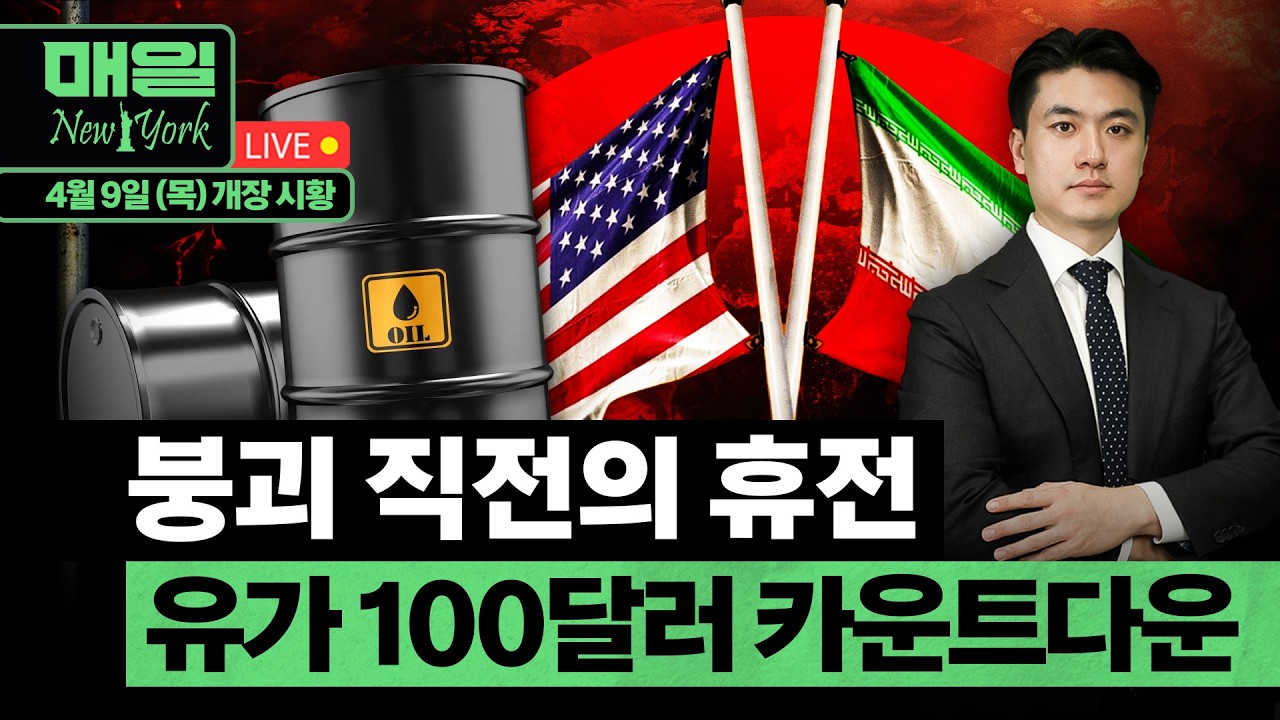
– [LIVE] 미국 PCE물가, GDP 확정치 심층분석 : 중동전쟁발 ‘물가쇼크’ 나올까? [즉시분석]
● Oil Shock, War Fears, AI Boom
US February Core PCE at 3.0%, Crude Reclaims $100, Meta–CoreWeave Expands to a $21B Deal: The Market Is Now Driven by Three Axes—Inflation, Geopolitics, and AI Infrastructure
The session finished modestly lower at the index level, but dispersion across sectors widened materially.
1) US February core PCE printed at 3.0% in line with expectations. Rate-cut expectations were not reset higher, but the renewed rise in oil prices reintroduces inflation risk.
2) Middle East tensions intensified, pushing WTI intraday above $100. This is a macro variable with direct implications for global growth and equity valuation.
3) The expanded $21B Meta–CoreWeave agreement signals that AI infrastructure investment is moving from “current demand” to “next-generation compute and chip pre-positioning.”
4) Eli Lilly’s announcement of a US launch for an oral obesity drug is potentially structural for healthcare, while the market is increasingly focused on realized market expansion rather than near-term price action.
This report consolidates: interpretation of US inflation data, the implications of $100 oil, AI infrastructure capex trends, the drivers of software-sector weakness, flow dynamics (including money-market funds), and key under-covered items.
1. US Equity Close: Indices Slightly Lower; Internal Dispersion Increased
Major US indices closed lower or near flat:
- Nasdaq: -0.24%
- S&P 500: -0.16%
- Dow: -0.31%
- Russell 2000: -0.32%
Sector performance diverged:
- Energy outperformed on crude strength.
- Select AI-infrastructure names gained.
- Software broadly underperformed (Oracle, Palantir, Salesforce-related names), reflecting renewed differentiation among “AI beneficiaries.”
Current market conditions favor sector and factor selection over index exposure.
2. US February Core PCE at 3.0%: In Line, but Not Sufficient for Policy Comfort
US February core PCE rose 3.0% year-over-year, matching consensus. Core PCE remains a primary inflation gauge for the Federal Reserve because it excludes food and energy and informs policy decisions.
2-1. What the Print Indicates
- Inflation did not re-accelerate versus expectations.
- Initial jobless claims were 210,000, also in line with expectations, signaling no abrupt labor-market deterioration.
This combination is policy-neutral:
- Inflation is not surging.
- Employment is not collapsing.
- The Fed has limited incentive to rush either easing or further tightening.
2-2. Why Equities Did Not Benefit
The dominant variable was oil. WTI’s intraday move above $100 increased concern that energy-price pass-through could lift headline inflation and inflation expectations in coming months. As a result, the focus shifted from backward-looking February data to the risk path for March–April inflation.
A key risk scenario for the Fed is:
- Growth decelerates
- Energy prices rise
- Consumer inflation expectations re-accelerate
This mix can delay cuts and increase equity valuation pressure via a higher discount rate.
3. Oil Above $100: The Most Material Near-Term Risk Variable
WTI moved above $100 intraday; Brent approached the high-$90s:
- WTI: intraday break above $100
- Brent: up into the $98 area
A 5–6% daily move in crude is atypical and reflects an elevated risk premium. Markets are assessing whether the Strait of Hormuz risk becomes a tangible shipping and supply-chain disruption rather than a headline-only event.
3-1. Why Tensions Re-Intensified
Despite intermittent ceasefire expectations, developments on the ground continued to diverge, including escalation linked to Lebanon and heightened Iranian signaling. Market attention remains concentrated on whether maritime flows normalize in practice.
Key elements being monitored:
- Iran positioning on ceasefire scope
- Israel’s continuation of military operations
- US pressure regarding Hormuz navigation
- Increased risk of retaliatory or restrictive actions
3-2. Why $100 Oil Is Systemically Risky
Crude strength is not limited to energy equity upside. It can transmit broadly via:
- Higher transportation costs
- Higher manufacturing input costs
- Renewed inflation pressure
- Margin compression
- Reduced probability or delayed timing of Fed easing
US equity valuation, particularly in duration-sensitive growth segments, remains exposed to changes in rate expectations.
3-3. Why Higher-Price Scenarios Are Back in Focus
Markets are re-engaging with scenarios in which failed de-escalation and delays to normalized passage could push crude beyond $100 and potentially toward the $115 range. Even a supply disruption on the order of ~2 million barrels per day can be sufficient to sustain such pricing in risk conditions.
The primary variable is not “war headlines,” but the degree of disruption to physical supply and maritime logistics.
4. Meta–CoreWeave Expands to a $21B Agreement: AI Infrastructure Moves to Next-Generation Pre-Positioning
The expanded agreement through 2032 is not a routine cloud contract. It indicates multi-year confidence in rising training and inference demand and a strategic decision to secure capacity ahead of the curve.
4-1. Why the Market Treated This as Material
Meta’s strategic priorities (Llama model development, generative AI product expansion, and longer-horizon ecosystem initiatives) share a single binding constraint: compute availability. The shift is from “invest after performance is proven” to “secure infrastructure in advance of anticipated scaling.”
4-2. Key Investor Focus: Next-Generation Nvidia Platforms
While attention has been centered on Blackwell supply, the more consequential implication is improved visibility into demand extending to the subsequent platform (“Vera Rubin”). This supports the view that next-cycle AI silicon demand could be pulled forward.
- Blackwell: central to current server build-outs
- Vera Rubin: a leading candidate for the next high-performance cycle
- Meta/CoreWeave: positioning for the next generation, not only current capacity
This is additive to confidence in Nvidia’s medium-term demand profile.
4-3. CoreWeave Operating Implication: Data-Center Competition Extends Beyond GPUs
CoreWeave emphasized geographically distributed deployment rather than concentrated build-outs. This speaks to system constraints and execution risk management, including:
- Power availability and grid constraints
- Thermal and cooling limits
- Permitting and interconnection bottlenecks
- Resilience and redundancy
AI infrastructure leadership increasingly depends on integrated control of power, sites, cooling, and networking—not GPUs alone.
5. Software Sector Weakness: AI Is No Longer a Uniform Multiple Expander
Software underperformed broadly:
- Oracle weaker
- Palantir sharply lower
- Salesforce-related names weaker
- Alphabet relatively soft
5-1. Why Palantir Declined Despite “Defense/AI” Positioning
The magnitude of the move suggests investors are re-framing the stock from a “defense premium” toward a “software valuation” lens. Against a backdrop of rising attention to AI-native recurring revenue trajectories elsewhere, the market is re-testing the durability of competitive moats for legacy enterprise software providers.
5-2. Core Interpretation
AI-related equities are no longer treated as a single cohort. Multiples are differentiating across:
- Infrastructure vendors
- Semiconductor suppliers
- Platform owners
- Application-layer providers
At present, relative premium is re-concentrating in AI semiconductors and infrastructure.
6. Eli Lilly Oral Obesity Drug US Launch: Potentially Structural for Healthcare
Eli Lilly announced a US launch for an oral obesity therapy. If adoption is sustained, oral delivery could expand the addressable market beyond injectable-first penetration.
6-1. Why Oral Delivery Matters
- Improved patient convenience
- Potential uptake among injection-averse patients
- Faster prescription scaling potential
- Expanded pathway for payer coverage discussions
This is less a single-product headline than a potential increase in category penetration.
6-2. Why the Stock Reaction Was Not Immediate
The market is prioritizing quantified execution metrics over launch announcements, including:
- Prescription ramp rate
- Manufacturing capacity
- Comparative efficacy and side-effect profile
- Payer coverage breadth
7. Money-Market Fund (MMF) Growth and Wall Street “Cash on the Sidelines”: Accumulation of Optionality
Recent MMF inflows indicate elevated caution consistent with prior uncertainty regimes (e.g., trade conflict periods, pandemic shock, rapid tightening cycles). This suggests risk is being managed rather than abandoned.
7-1. Why This Is Not Purely Negative
MMF balances are yield-bearing and liquid. If uncertainty declines, these balances can re-enter risk assets rapidly. This increases the probability of sharp relief rallies when catalysts reduce perceived tail risk.
7-2. Likely Destinations if Risk Appetite Improves
Current allocation preference remains relatively clear:
- AI infrastructure
- AI semiconductors
- Power and grid beneficiaries
- Data-center and enabling infrastructure
Capital is narrowing toward areas with higher perceived demand visibility.
8. The “Bill” from One Year of US Tariffs: Quiet, Structural Pressure on Consumption
Cumulative tariff effects are increasingly reflected in household burden estimates of roughly $1,000–$1,700 per US household, implying meaningful pass-through into consumer prices.
Key implications:
- Renewed inflation pressure
- Softer real consumption capacity
- Disproportionate impact on lower-income cohorts
- Greater differentiation within retail and staples
9. Key Items for Investors to Monitor
9-1. Macro Checkpoints
- Whether crude sustains above $100
- Strait of Hormuz transit normalization
- Energy pass-through in upcoming inflation prints
- Whether Fed easing expectations continue to shift out
9-2. Equity-Market Checkpoints
- Sector rotation is more decisive than index direction
- Determine whether software weakness is cyclical or structural
- AI semiconductor and infrastructure demand remains comparatively resilient
- Energy and defensives may function as tactical hedges
9-3. AI Trend Checkpoints
- Big Tech emphasis is shifting from applications to infrastructure
- Improved visibility for next-generation Nvidia demand
- GPU-cloud models such as CoreWeave gaining strategic relevance
- Power constraints and distributed data-center strategies increasingly drive execution risk and valuation
10. Under-Addressed Market Takeaways
10-1. Markets Are Weighting “Energy Re-Inflation” More Than “Inflation Cooling”
Equities did not respond strongly to an in-line core PCE because forward oil risk is being priced more heavily than backward inflation data, with direct implications for rates and valuation.
10-2. The AI Investment Narrative Is Not Ending; It Is Moving Up the Stack
Focus has shifted from “which AI application wins” to “who secures next-generation chips and power,” indicating deeper capital intensity rather than fading demand.
10-3. Software Drawdowns Reflect Business-Model Repricing, Not Broad AI Collapse
Weakness in enterprise software is more consistent with re-rating based on monetization pathways and competitive positioning than a generalized unwind of AI exposure.
10-4. Cash Build Is Both Risk Aversion and Future Fuel
Rising MMF balances reflect caution, but also latent buying power that can drive rapid recovery moves if tail risks moderate.
11. Consolidated View: “Geopolitical Risk with Concentrated AI Allocation”
Current market drivers are concentrated in three intersecting axes:
- Macro: disinflation progress vs energy-driven re-inflation risk
- Geopolitics: ceasefire expectations vs renewed Middle East escalation
- Industry: software re-rating vs AI infrastructure strength
Positioning conditions do not support uniform risk-on or full risk-off behavior. Capital is increasingly concentrated in segments with visible demand and scale advantages—AI infrastructure, AI semiconductors, power-related beneficiaries, and select healthcare innovation.
< Summary >
US February core PCE rose 3.0% in line with expectations, but WTI’s break above $100 increased renewed inflation concerns.
Middle East risk is a primary variable for rates and global growth via supply-chain and shipping disruption potential.
Meta’s expanded $21B agreement with CoreWeave indicates AI infrastructure competition is moving into next-generation chip and capacity pre-positioning.
Software re-rated lower, while AI semiconductors and data-center infrastructure remain comparatively supported by demand visibility.
Eli Lilly’s oral obesity therapy US launch is viewed as a potentially important growth driver, contingent on execution metrics.
Near-term market focus centers on: oil and inflation, geopolitics and supply chains, and AI infrastructure with measurable demand.
[Related…]
- AI infrastructure capex expansion: key beneficiaries across semiconductors and data centers (NextGenInsight.net?s=AI)
- Oil above $100: implications for global equities and inflation (NextGenInsight.net?s=oil)
*Source: [ Maeil Business Newspaper ]
– 美 2월 근원 PCE 3%로 예측치 부합ㅣ코어위브, 메타와 210억달러 계약 확대 체결ㅣ일라이릴리, 경구용 비만치료제 미국 출시 발표ㅣ홍키자의 매일뉴욕